.png?h=455&iar=0&w=1182&rev=d74e300da7ba4627bde32b9c768419b5)


Resource Article
A Homeowner’s Guide to the Best Replacement Doors
- The best replacement entry door for your home depends on your budget, style, the climate where you live, and how much time you can spend on maintenance.
- You don’t always need to replace your entry door. Many common issues, like small drafts, worn seals, or loose hardware, can be repaired first.
- Comparing door types, materials, and companies side by side can help you decide which replacement door is right for you.
A Homeowner’s Guide to the Best Replacement Doors
What’s the best replacement door for your home? How do you know when your front door should be repaired or replaced? Homeowners ask us those questions all the time, and we know they aren’t always easy decisions.
The best replacement door is one that fits your budget, style, the climate where you live, and the level of upkeep you’re willing to handle.
Sometimes a simple repair can fix drafts, worn seals, or loose hardware. Other times, we may recommend a replacement door to help improve energy efficiency or when it’s damaged beyond repair. Neither approach is wrong, but they come with different tradeoffs.
Learn when to repair or replace your front door, how to compare door types, styles, and materials, and how to decide what works best for your home.
When Should You Repair or Replace Your Door
Whether you should repair or replace your front door depends on its condition.
When to repair your door:
- Worn-out weatherstripping: If the door itself is structurally sound but you feel a draft, try replacing the weatherstripping or the door sweep.
- Squeaky or stiff hinges: First, apply a thin layer of lubricant to the hinge pin and inside the door hinge. Then, gently tighten any loose door hinge screws. See your door’s maintenance guide for details.
- Peeling or faded paint: A wood or steel door without structural damage can often be refinished.
- Loose or faulty hardware: Locks, handles, and hinges are all generally replaceable parts.
When to replace your door:
- There are noticeable drafts after repairing the weatherstripping. If your entryway feels like a wind tunnel, your door could be warped, or the frame may have shifted.
- You have difficulty opening or closing the door: Persistent sticking could be a sign of warping.
- There’s visible rot, rust, or cracks. Signs of wood rot in the door, rusted steel around the edges, and cracked panels could affect insulation and can decrease how secure a door fits in the opening and performs.
- When condensation forms between two glass panes. This is a sign that the seal may have failed.
What Are Common Types of Replacement doors?
Entry door replacement
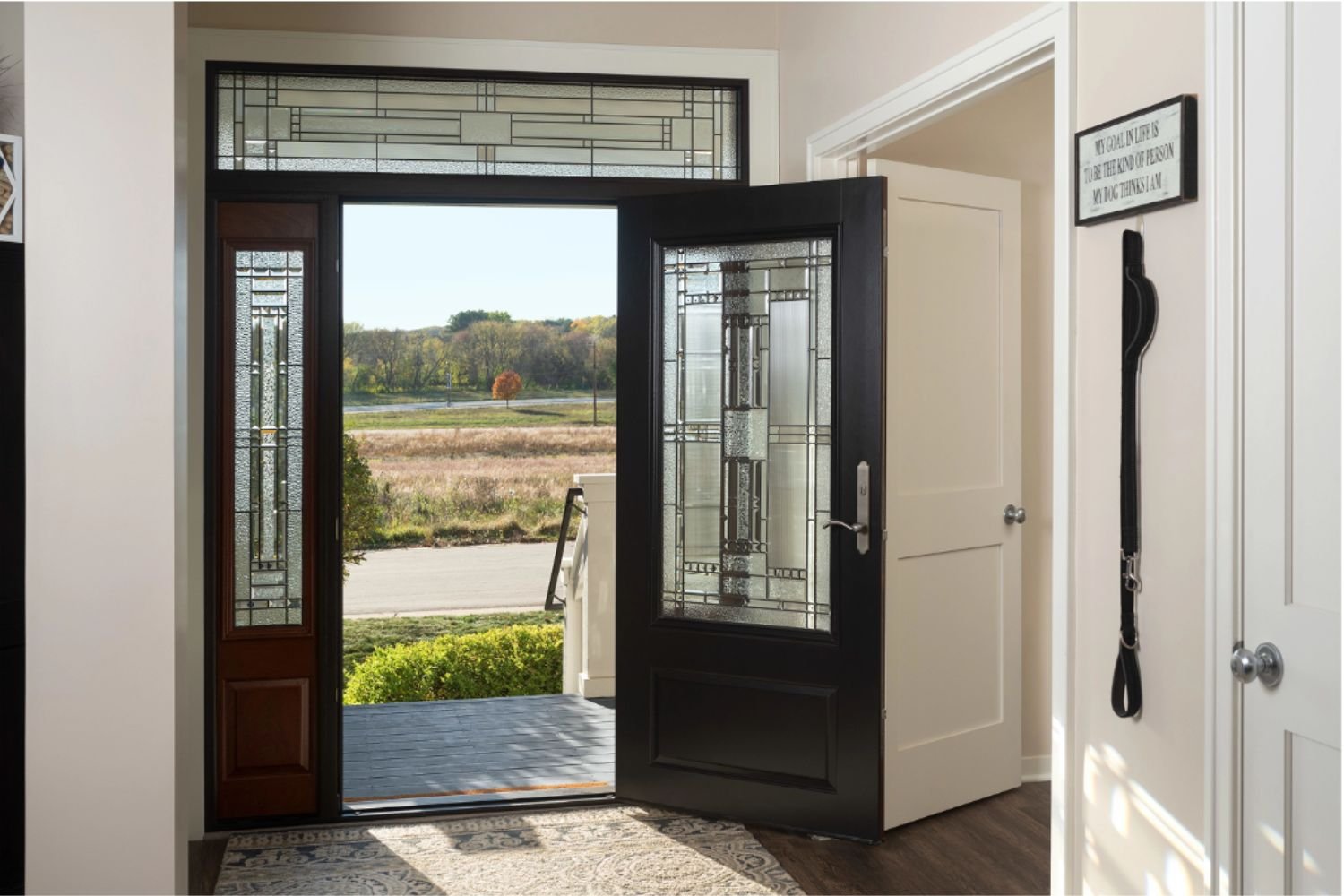
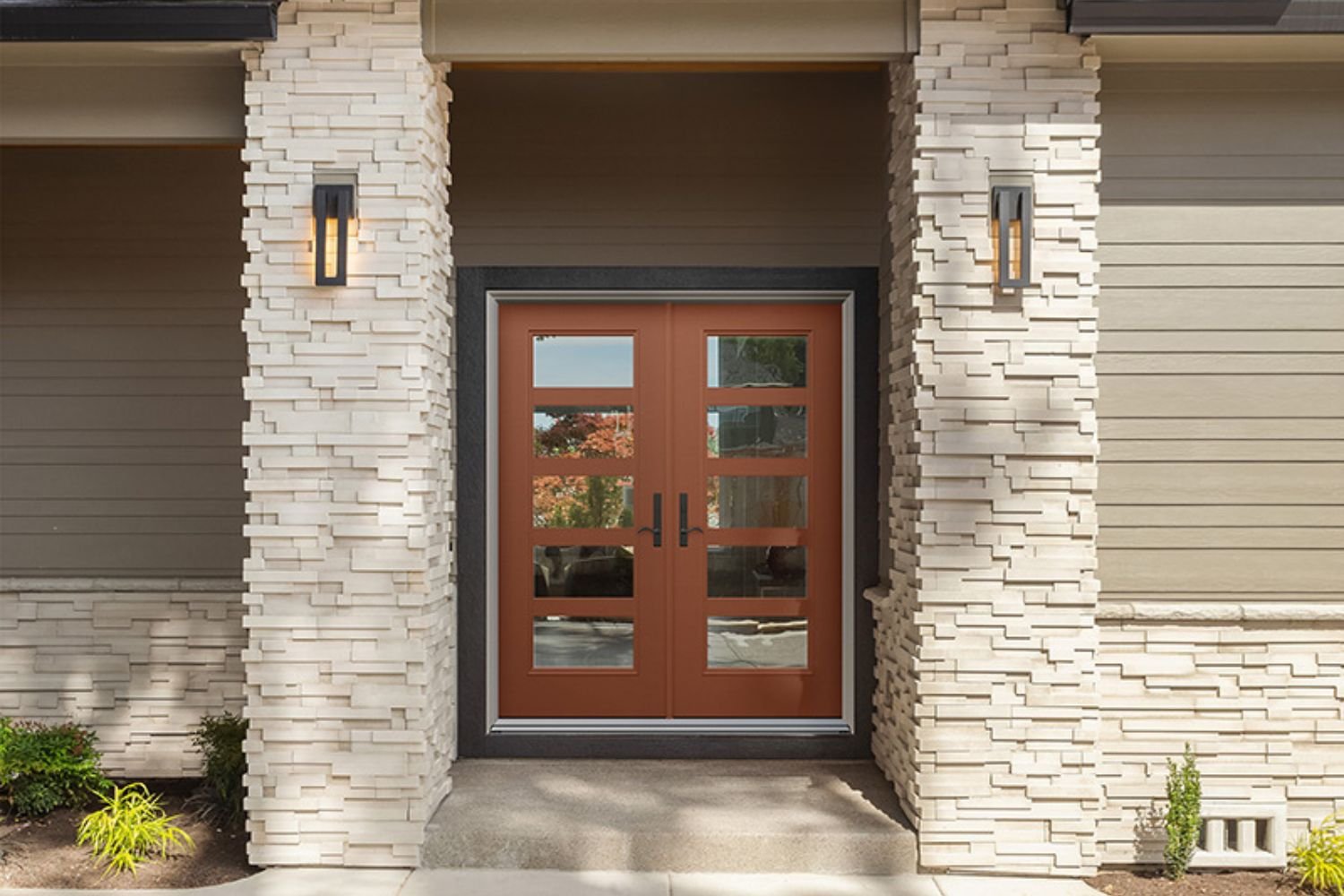
Often called front doors, entry doors serve as a home’s main entrance. They’re available in single- or double-panel options and are one of the first things people will notice about your home. Single-entry doors are best for standard-sized openings and side or back entries. A double-entry door, which has two panels side by side, is better for wider openings and makes a statement at the front of the home.
Storm door replacement
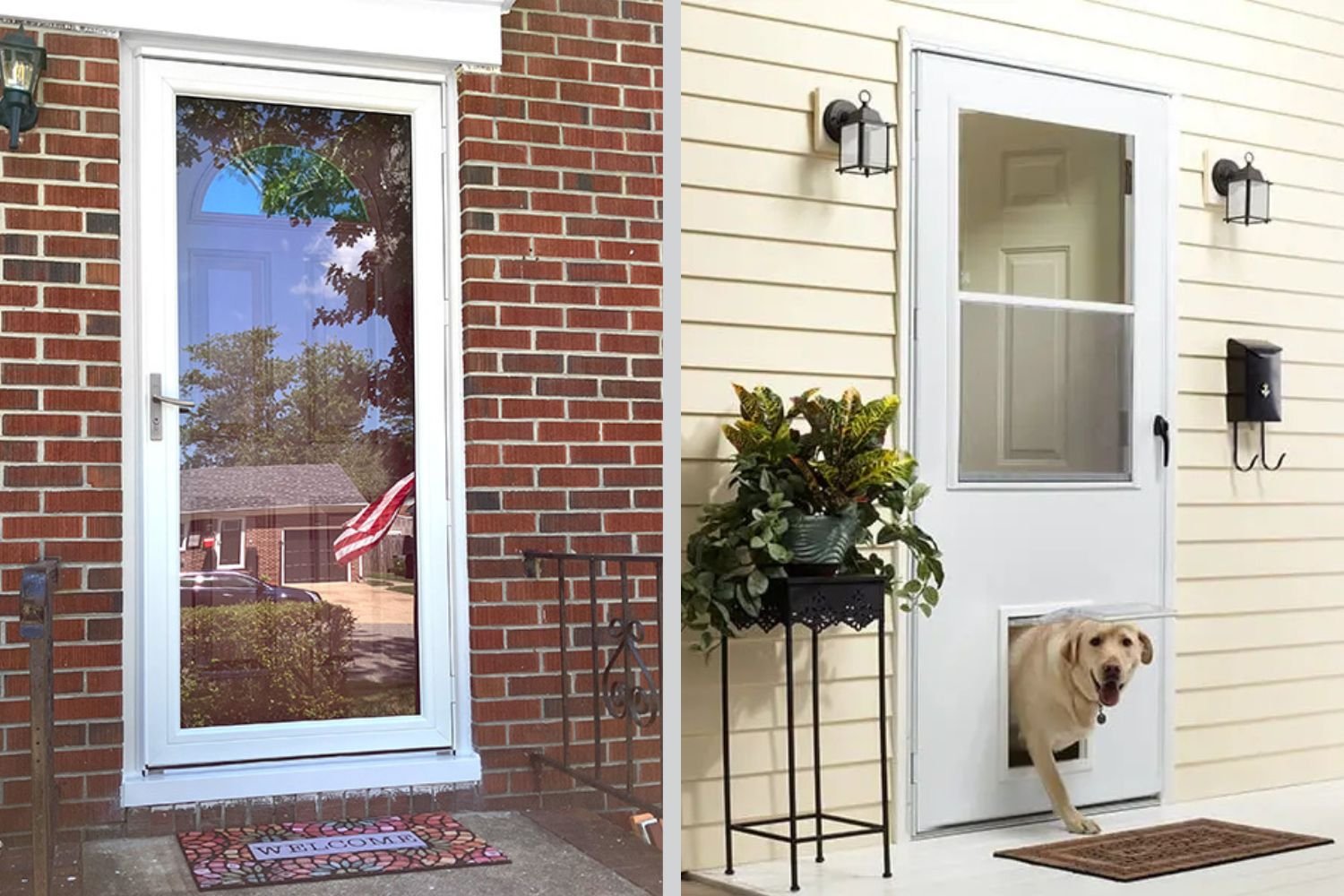
A storm door is a secondary door that is installed in front of your main entry door. Think of it as an extra layer to help resist mild rain, wind, and snow. While storm doors aren’t designed for severe weather, they can be a helpful add-on if you live somewhere with cold winters or frequent rain.
They’re often available in full-glass, half-glass, or a screen panel to allow more sunlight and ventilation into your entryway. Storm door frames are usually made from aluminum, steel, fiberglass, or wood. Some storm doors have a wood core with a vinyl or aluminum skin that can create a strong, durable surface.
Patio door replacement
Patio doors connect your home to an outdoor space, such as a deck, patio, or backyard. Explore patio door replacement options, including sliding, hinged, and French doors.
Entry Door Anatomy: What's in a Front Door?
Understanding what’s in a front door can help you compare options, ask the right questions, and know what you’re looking at when a door replacement company gives you an estimate.
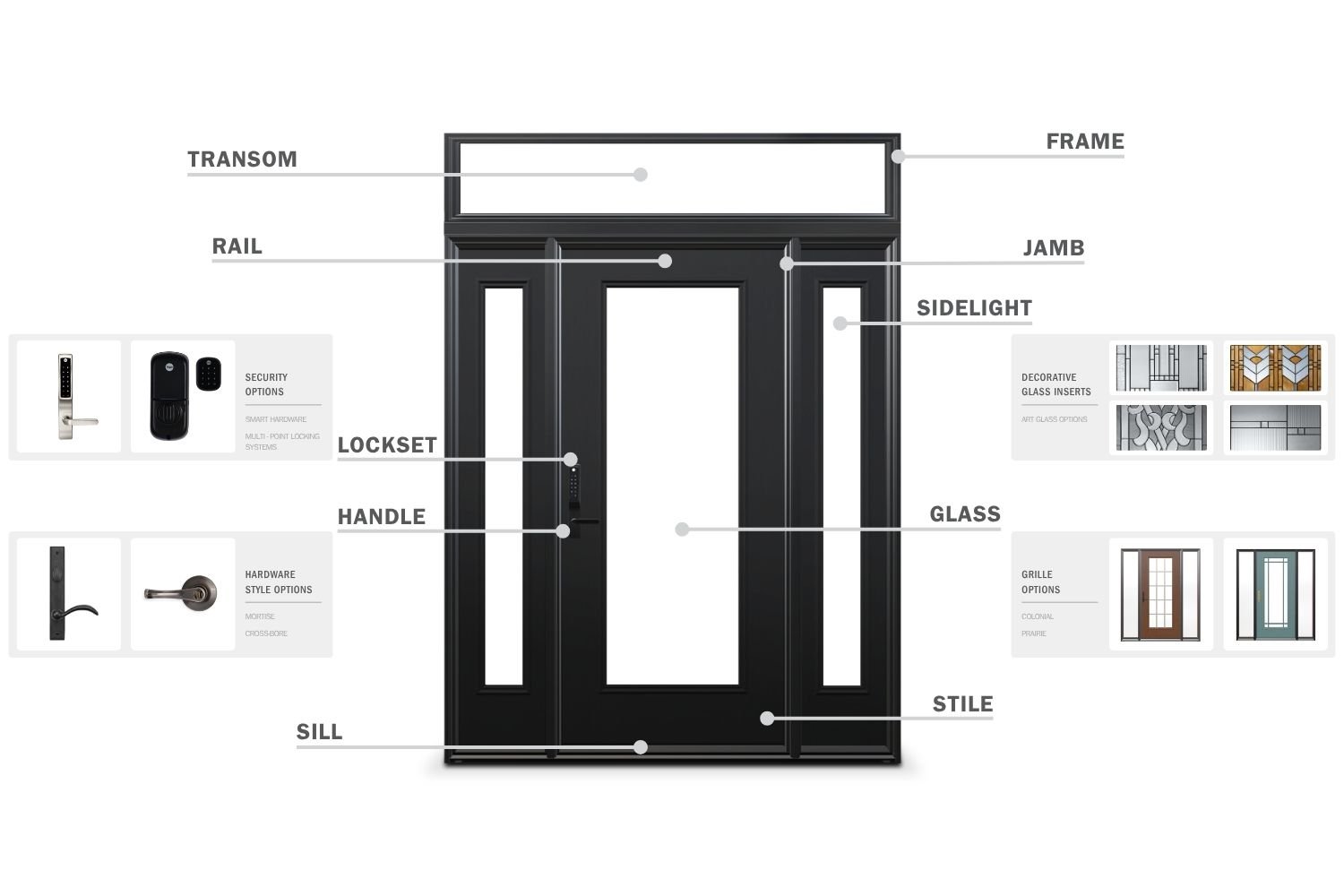
Transom
A transom is the window you see above the door. Best for homes with taller ceilings, transoms allow natural light to enter your home without increasing the door size. Transoms work well above single- and double-entry doors. Many transoms are sealed shut, but some companies can design them to open if you want more ventilation.
Door frame
The door frame is the structure that surrounds and supports the entire door system. It keeps the door aligned and helps support the weight of the door across the opening. A well-built frame also improves sealing, which can help reduce drafts and energy loss.
Door jamb
Acting as the backbone of your door frame, strong door jambs can help keep the door stable and secure over time. A door jamb is made up of three main components: the head jamb, the side jamb, and the door stop.
- Head jambs (or door heads) are the horizontal top section of a door frame. Head jambs connect the two side jambs and help keep the frame aligned and square.
- Side jambs are the vertical parts of the door frame that hold the hinges and support the door’s movement as it opens and closes.
- Door stops are designed to stop the door when it closes.
Grilles
Grilles are decorative or functional bars dividing glass sections in a door, sidelight, or transom window. They can be built into the glass or attached to the surface for different looks. Many homeowners choose grilles to match architectural styles while still allowing light to pass through.
Sidelights
Sidelights are narrow, vertical glass panels installed next to the door. Sidelights can let in more natural light, improve visibility, and refresh the appearance of your home’s entryway.
You can customize your sidelights with grille patterns and different shapes and sizes of door glass to match your preferred look.
Door panel
The door panel is the main surface of the door. It provides structure, insulation, and design appeal. Panels come in many styles, ranging from flat surfaces to detailed, raised patterns.
Sill
The sill is the bottom part of the doorway that sits between the interior and exterior. It helps create a seal against water, air, and debris. A properly installed sill can help prevent water damage and drafts.
Lockset
The lockset includes the locking mechanism and related hardware. It plays a key role in door security and helps protect the home. You can choose from traditional keyed locks, keypads, or keyless locking systems.
Dentil shelf
A dentil shelf is a decorative trim piece often placed above a door, featuring small, evenly spaced blocks that add architectural detail. While mainly used for looks, it can improve the overall design of your entryway.
Stile and rail
The stile is a vertical section placed along the edges of a door panel, providing structural support while connecting other door components.
Rails are horizontal pieces that connect the stiles across the door. They help maintain the door’s shape and add stability. Together, they form the core framework of the door.
Kick plate
When your hands are full, you may use your foot to open the door. Installing a kick plate at the bottom of your door can help protect the panel from damage.
What Are Common Front Door Styles?
Replacement front doors are available in many styles, including contemporary, classic, craftsman, mid-century, and modern.
Contemporary doors
Contemporary doors are meant to be neutral and timeless with a simple, modern look focused on clean lines, smooth surfaces, and minimal decoration. Most contemporary doors have flat panels with little or no trim, straight lines and simple shapes, and neutral colors. Contemporary doors are a good fit for homes with a modern style or a mix of different architectural styles.
Best for newer construction, homes with minimalistic exteriors, or homeowners who want a sleek look without complex patterns or shapes.
Craftsman doors
Craftsman front doors often have a flat center panel, decorative glass at the top, and bold decorative molding. Craftsman front doors can work for many styles of homes, but they’re most associated with bungalow and craftsman-style homes.
Best for historic homes, craftsman bungalows, ranches, and homes where you want a warm, handcrafted look at the entryway.
Modern front doors
What makes a front door modern is simplicity. Modern doors have clean lines, large areas of glass, and minimal decoration. One trend for modern doors is using a bold paint or stain color to make them stand out.
Best for new builds, homes with open-concept layouts, or any exterior that favors a statement entryway.
Mid-century modern doors
Mid-century modern doors have a bold yet functional look without using complex patterns or shapes. Mid-century modern doors reflect the design trends of the 1950s and 1960s, featuring low-profile, geometric details, large glass panels to bring in more natural light, and unique hardware.
Best for ranch homes, split levels, and modern properties with mid-century influences.
Traditional front doors
Traditional doors are one of the most popular front door styles because they can fit the style of most homes. Traditional doors have raised panels, a symmetrical design, and classic detailing like molding or decorative glass.
Best for older homes, historical neighborhoods, and homeowners who want a timeless look.
Explore Renewal by Andersen’s entry door 2026 trends collection to find design ideas for your home, whether your home is contemporary, traditional, craftsman, or mid-century modern.
Ensemble® entry doors
Ensemble® entry doors can match many home styles, whether it’s traditional, craftsman, or contemporary, with customizable panel styles, glass options, and other decorative details. The dual-composite frame is made of Fibrex® material on the inside and fiberglass on the outside for durability and weather resistance. Ensemble® entry doors achieve the highest level of security testing when configured with a multi-point mortise-lock assembly.*
Best for homeowners with a higher budget who want energy efficiency, durability, and the look of wood with lower maintenance.
Which Replacement Door Is Right for Your Home
The Timeless & Classic Traditional French Patio Door
How Much Does Door Installation Cost?
The cost to install a front door often depends on the door type, shape, size, materials, door frame condition, and labor costs. You may pay more for labor if the door replacement project is more complex.
For example, your door replacement company may need to adjust the door opening if the door isn’t a standard size or repair the frame if it’s damaged. For door installation, labor costs can range from $40-$90 per hour, according to NerdWallet.
Does Door Replacement Improve Energy Efficiency?
Door replacement can help improve energy efficiency when your current doors have failing seals, visible gaps, or damaged materials that let air in or out. Replacing a door that’s still in good condition may not be as beneficial because it’s likely still energy efficient.
Energy-efficiency checklist
When you’re inspecting your door, consider the following energy efficiency checklist:
☐ No drafts: You don’t feel air coming in around the door.
☐ Good seals: The weatherstripping isn’t cracked or missing.
☐ Closes well: The door shuts all the way with no gaps.
☐ Good condition: The door isn’t warped, cracked, or damaged.
☐ Solid door: The door feels sturdy, not thin or hollow.
Your door’s energy efficiency can affect energy bills when it gains or loses heat. If you’re considering a replacement door, learn how energy performance ratings can affect efficiency.
What Are the Best Door Replacement Companies?
The best door replacement company for you depends on the door type, style, materials, and the project goal. Compare door replacement companies to help decide which option is the best fit for your home.
What’s the Best Replacement Door for Your Home?
The best replacement door for your home often depends on your budget, door material, home style, and upkeep preferences. If you want to learn more about entry door options, schedule a free in-home design consultation.
What Homeowners Are Saying About Ensemble® Entry Doors
Frequently Asked Questions About Door Replacement
How often should front doors be replaced?
The lifespan of a door depends on the material quality, exposure to the elements, and how often you use the door. Doors that are well-maintained may need to be replaced every 20 to 30 years.
How important is a level door?
A level doorway can help prevent drafts, lower energy bills, and help keep your door secure. A door replacement company can help you measure the rough opening of your doorway to make sure your door is properly installed.
How much does it cost to replace sliding door glass?
In some cases, you can only replace the glass for around $250-$1,000, according to NerdWallet. The cost could be higher or lower depending on the type of glass and other factors. For a more accurate estimate, contact a door replacement company that can measure the opening, discuss your goals, and share the best options for your home.
*For residential entry doors when independently tested per ASTM F476: Standard Test Method for Security of Swinging Door Assemblies, cylinder body pull, cylinder pull and jamb spread tests achieve Grade 30, with all other referenced tests achieving Grade 40 when configured with a multi-point mortise-lock assembly.
Our Hassle-Free Process

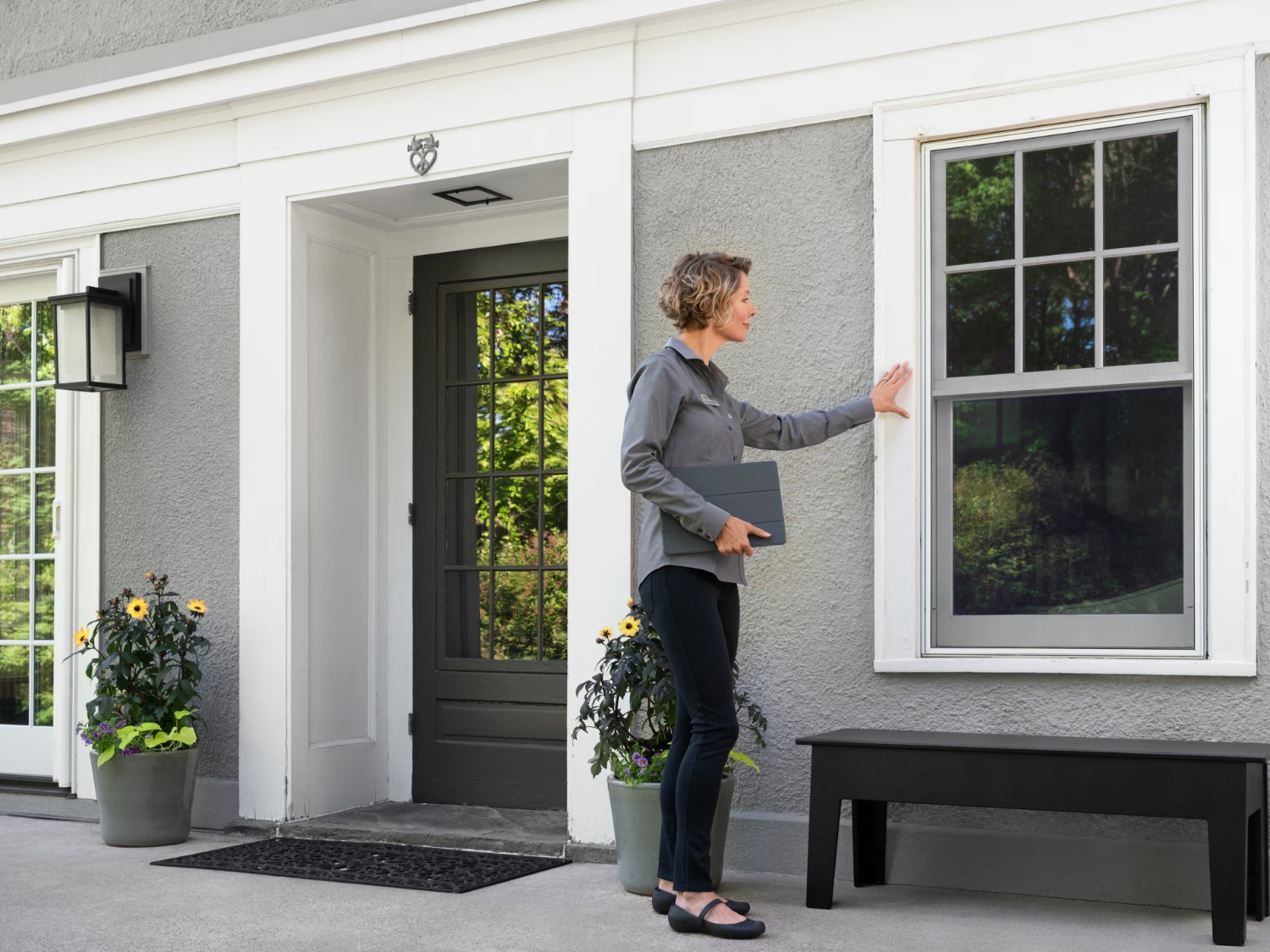
Step 1
Design Consultation
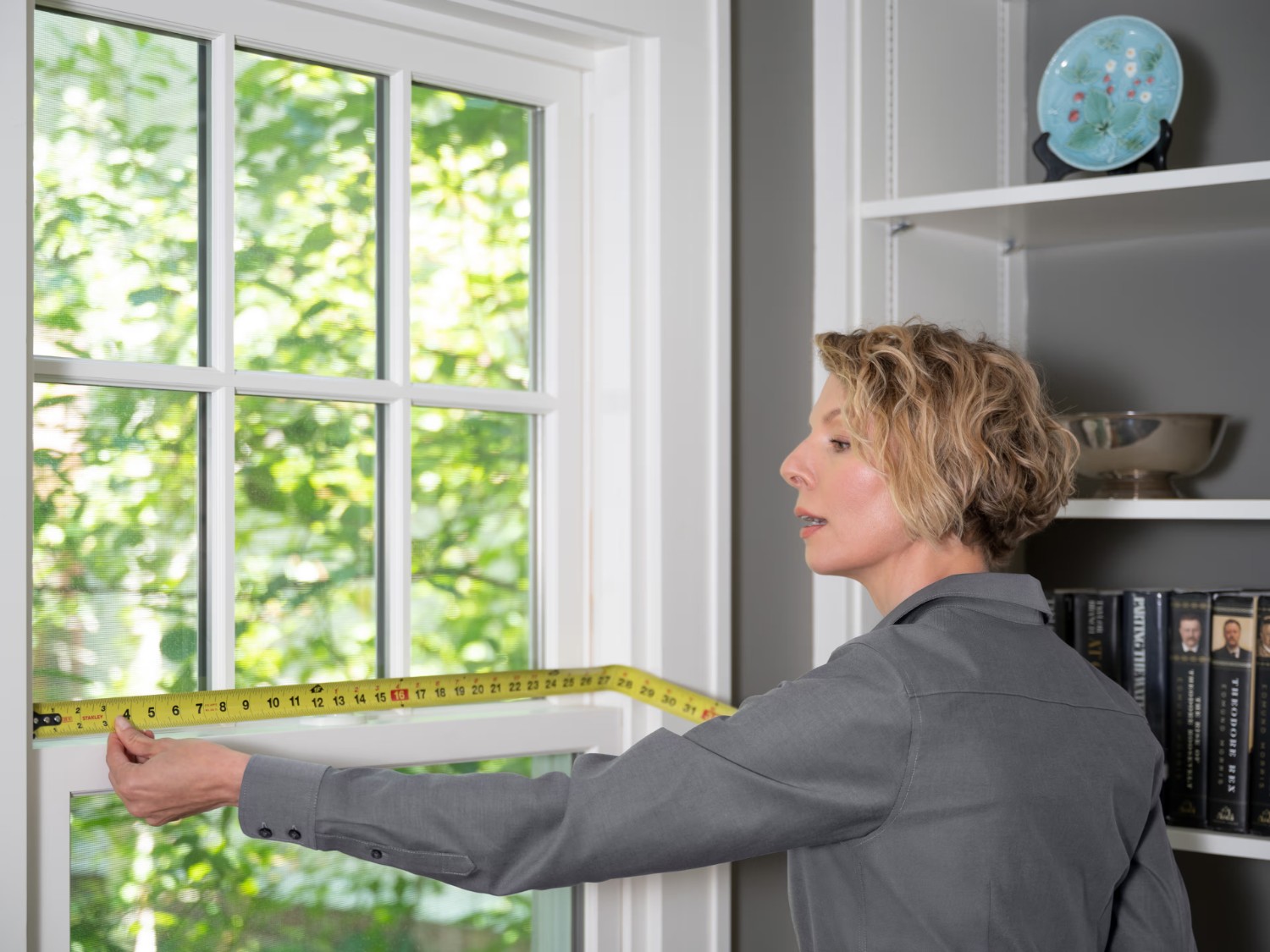
Step 2
Measure and Manufacture
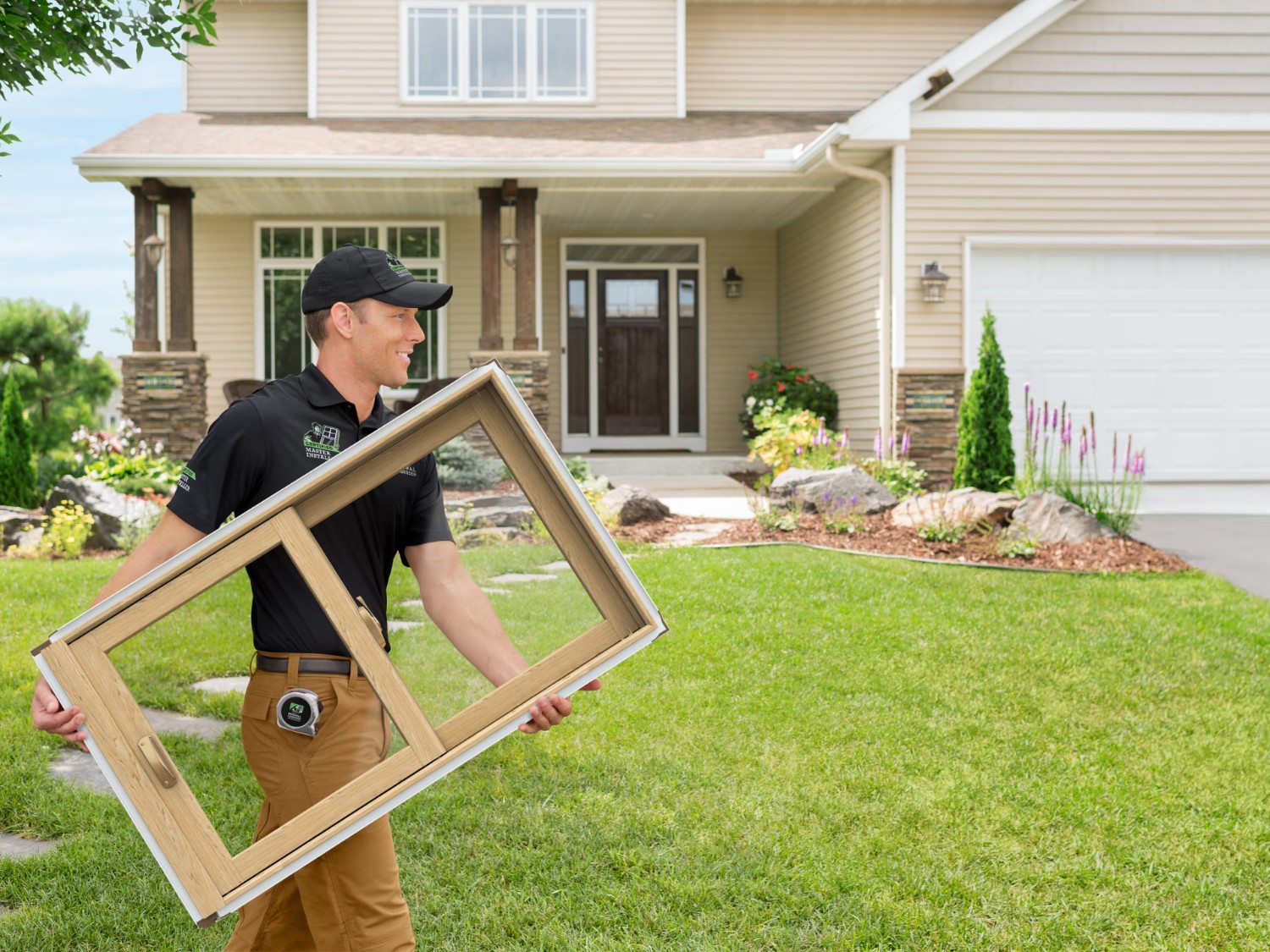
Step 3
Installation
Step 4