.png?h=455&iar=0&w=1182&rev=d74e300da7ba4627bde32b9c768419b5)


Resource Article
What Are the Best Windows and Doors for Home Security?
Key Takeaways:
- Windows and doors are the two most common points of entry for home break-ins.
- Consider repairing your windows and doors if they are in good condition but have worn or basic hardware.
- Consider replacing your windows or doors if they have significant damage that could affect your home’s security.
What makes a window and door “secure” in the first place? How do you know if you need to replace them to improve your home’s security?
After working with thousands of homeowners considering window and door upgrades in 2026, we’ve learned the answer isn’t always buying the strongest option available. The right choice for you depends on how you want to address any specific home security risks.
Upgrading your windows or doors can make sense if your current ones are putting your home security at risk. Other times, your existing windows and doors are fine, and you can put your budget elsewhere. Either approach can work, but they address home security in different ways.
In this guide, you’ll learn what makes windows and doors secure, when to upgrade versus replace, and which materials, locks, and glass can offer the most protection. Let’s lock in.
A Note About Home Security
Renewal by Andersen is an expert in windows and doors, but we’re not home security professionals. While we design products with protection in mind, it’s important to ask security experts about creating a safety plan for your home.
The Role of Windows and Doors in Home Security
Understanding how your windows and doors can affect home security can help you prioritize what needs to be repaired or replaced.
How can windows stay secure against forced entry?
Your windows can stay secure with three parts working together: the locking mechanism, the glass, and the frame. Many break-in attempts start by trying to open the windows. Your sash lock (or window latch) can keep them closed when it’s operating correctly, but it isn't designed to prevent forced entry. The glass is the next barrier to help resist forced entry. Your window frame is the main structure that holds all the parts in place, so the window can stay intact.
How doors can stay secure
Front doors are the most targeted entry point for break-ins. A door can stay secure when five parts work together: the door panel itself, the frame, the hinges, the lockset, and the strike plate.
- The door panel itself can act as a strong barrier against forced entry when it’s made from a solid material that can resist use of force.
- The frame helps keep everything in place by attaching the door securely to the wall and helping it stay firm under force.
- Hinges can help prevent the door panel from being pried off by attaching it to the frame and resisting attempts to lift or remove it.
- Locksets can help hold the door shut against forced entry by tightly connecting the panel to the frame and resisting pulling or prying.
- Strike plates can strengthen the lock area, which can help resist forced entry.
What Are the Most Secure Front Door Panels?
While no door material alone can prevent forced entry, strength and durability can make a difference. The most secure front door panels are made from solid wood, steel, fiberglass, or composite material.
Solid wood doors are strong and offer natural thickness that can help deter forced entry.
Pros of wood doors:
- Thick, dense material can help deter forced entry.
- Sturdy feel with strong hardware anchoring.
- Easy to customize with hardware or security upgrades.
Cons of wood doors:
- Material strength can weaken over time from warping.
- Requires occasional maintenance to prevent decay.
- Hollow core doors, which are often used for interior rooms, won't perform as well as solid wood.
Steel doors are a popular choice for home security because they have a strong exterior barrier that's difficult to break through.
Pros of steel doors:
- High resistance to impact and forced entry.
- Doesn't crack or split.
- Low maintenance compared to wood.
Cons of steel doors:
- Can dent, which is difficult to repair and can affect their appearance and performance over time.
- May rust if the protective finish is damaged.
- May require occasional maintenance over time to keep their appearance.
Composite material, including fiberglass and other durable materials, can help create strong, long-lasting doors. These materials can resist warping, cracking, and rot, helping the door maintain its structure over time. Their strength can also make forced entry more difficult.
Pros of composite doors:
- Strong and durable. Resists dents, cracks, splits, rot, and corrosion over time.
- Great insulation and energy efficiency. Holds up well in different climates.
- Resistant to warping, cracking, rotting, and dents.
- Often requires less maintenance than wood.
Cons of composite doors:
- Composite doors can be more expensive than other materials.
- Composite material can be difficult to repair.
- Fewer customization options than wood.
Renewal by Andersen® Ensemble® entry doors use a dual-composite frame made of Fibrex® composite material on the inside and reinforced fiberglass on the outside.
What's the Best Glass Type for Home Security?
Each type of glass performs differently against impact. Some glass options like tempered glass, laminated glass, and impact-resistant glass have certain performance features. The glass type is typically driven by code. See your local code official for code requirements in your area.
- Best for safety: Tempered glass breaks into small, rounded fragments rather than sharp, jagged pieces.
- Best for durability after breakage: Laminated glass has a strong inner layer that holds the glass together when it breaks.
- Best for harsh weather and security: Impact-resistant glass can withstand strong forces.
What Are the Best Locks for Windows and Doors?
Types of window locks
Many window locks and latches are designed to prevent them from being easily opened from the outside, not to resist forced entry.
- Sash locks are one of the most commonly used window locks. Some manufacturers offer sash locks that meet ANSI/BHMA standards for forced-entry resistance.
- Dual-action cam window locks pull the two sashes together.
- Locking pins can be installed in double-hung windows to prevent them from being opened from the outside.
- Security bars can be installed to the outside of the frame to prevent access to the window.
Types of door locks
Let's talk about locks that can help keep your entry doors secure and how to measure performance.
- Entry doorknobs have a lock built into a door handle, with the keyhole in the center. Many homeowners add an extra layer of security by pairing it with a deadbolt.
- Deadbolts are a secondary door lock that slides a solid metal bolt into the frame to help prevent forced entry. Many deadbolts have an internal mechanism called a cylinder lock, where pins align with the correct key to allow the lock to turn.
- Multi-point locking systems can lock the door at multiple points along the edge of the door (typically top, middle, and bottom), all securing into the frame at once. This added contact can help improve security and create a tighter seal. Ensemble® entry doors achieve the highest level of security testing* when configured with a multi-point mortise-lock assembly.
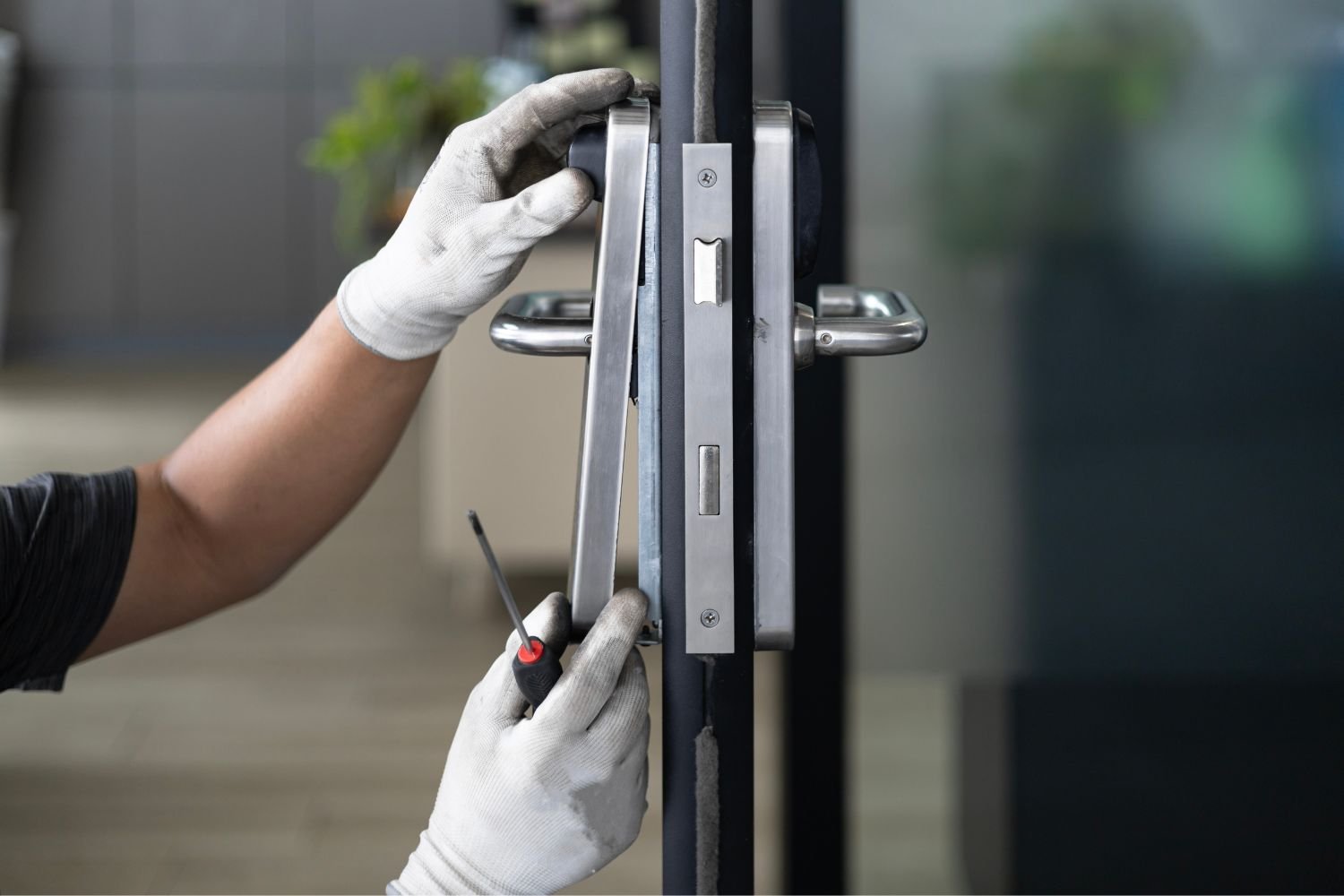
- Mortise locks are installed by cutting a pocket (the mortise) inside the door, making forced entry more difficult.
- Electronic door locks (smartlocks) don't require a key. Instead, you can unlock your door with a code, a keypad, or through a mobile app.
- Sliding door locks can secure the door shut by latching it along the track.
Some door locks require a cross bore, which is a hole the manufacturer drills into the face of the door. The cross bore is often used to keep the main body of the lock in place for doorknobs, deadbolts, and electronic locks.
Are Your Windows and Doors Working as Designed?
Use this checklist to take stock of your home's locks, frames, and glass.
- Do the windows and doors lock correctly and consistently?
- Are any frames loose, damaged, or easy to pry?
- Are the entry doors equipped with deadbolts or multi-point locks?
- Do the windows and doors fit well in the opening?
Can Windows and Doors Improve Home Security?
Strong frames, reinforced glass, and reliable locks can slow down forced entry, but they don't replace a home security plan with alarms, cameras, and sensors.
If you're deciding whether to replace or repair a window or door, the best option can depend on your budget and what you're trying to solve.
For some homeowners, small repairs make sense when their windows or doors are secure and operate well. For others, replacement is the best option when structural damage puts their home security at risk.
Schedule a free consultation to learn more about replacement windows and doors designed for strength, durability, and peace of mind.
What Homeowners Say About Home Security
Homeowners often tell us that upgrading or replacing their windows and doors helps them feel more secure.
Frequently Asked Questions
What are the best locks for windows and doors?
The best lock options combine multiple locking points, durable hardware, and proper installation. For windows, the most secure options are sash locks and locking pins. For doors, the most secure lock options are deadbolts, multi-point locking systems, and mortise locks.
How much does it cost to replace windows and doors?
Steel entry doors are a popular choice for home security and cost about $2,435, according to the Cost vs Value Report. The report also shows that a window replacement project with 10 double-hung windows (3x5-foot) made of wood can cost about $26,781. You could pay more depending on the materials, installation costs, lock types, opening size, and upgrades.
What frame material is best for impact windows?
Composite is generally considered one of the most durable frame materials for impact windows, particularly in coastal and high-humidity environments, according to This Old House.
Fibrex® composite and fiberglass outperform vinyl in dimensional stability and resistance to extreme temperatures. Vinyl is still widely used and performs well in most climates, but it's not as durable as composite or fiberglass over the long term.
Are Ensemble® entry doors secure?
Yes, Ensemble® entry doors are secure. A dual-composite frame, reinforced panels, and advanced hardware systems provide exceptional forced-entry resistance. Doors with an optional stainless steel multi-point mortise locking system latch in three places for a tight, weather-resistant seal. Reinforced hinge pockets and strike plates add extra protection around the lockset.
* For residential entry doors when independently tested per ASTM F476: Standard Test Method for Security of Swinging Door Assemblies, cylinder body pull, cylinder pull, and jamb spread tests achieve Grade 30, with all other referenced tests achieving Grade 40 when configured with a multi-point mortise-lock assembly.
Our Hassle-Free Process

Step 1
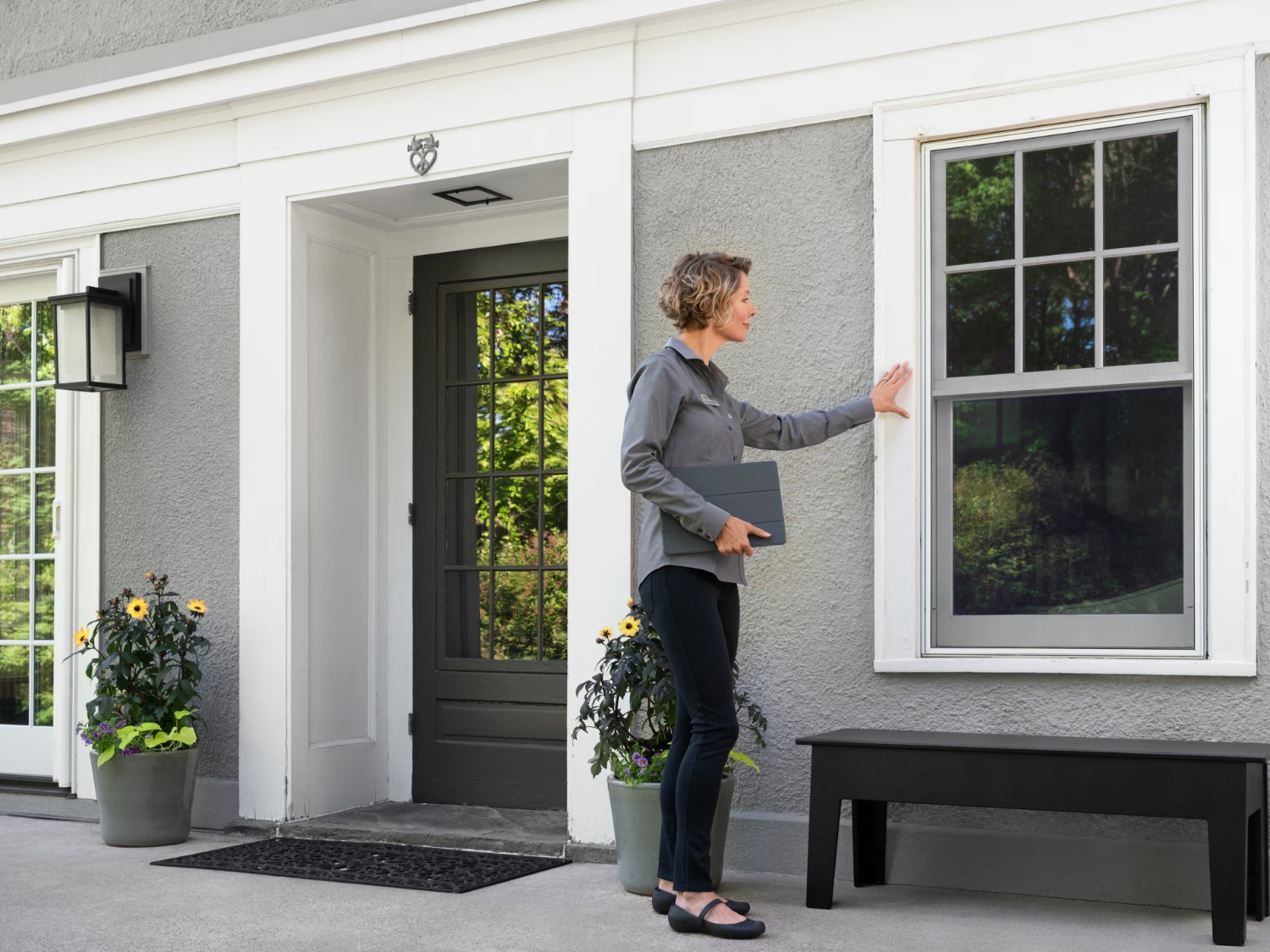
Design Consultation
Step 2
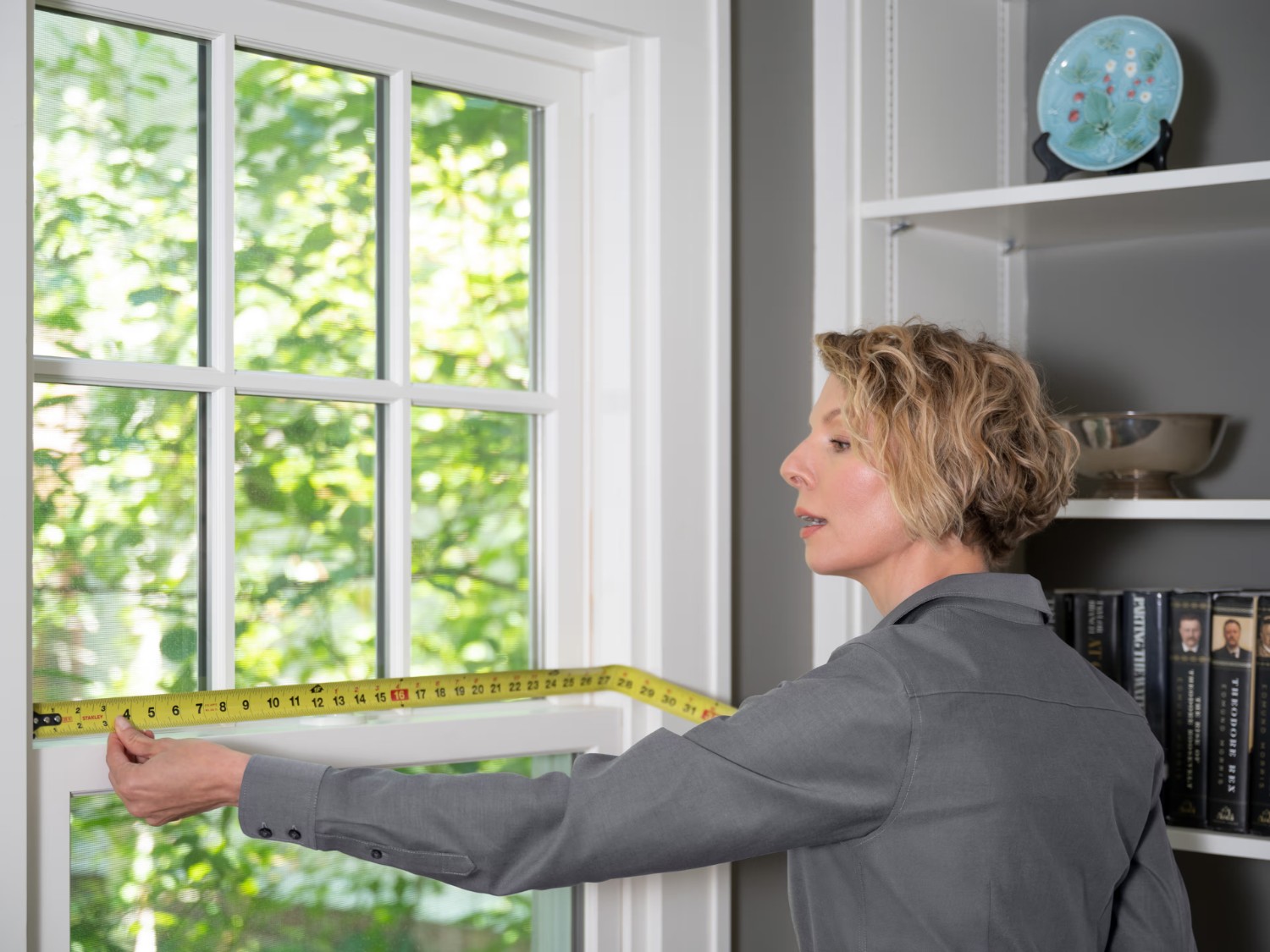
Measure and Manufacture
Step 3
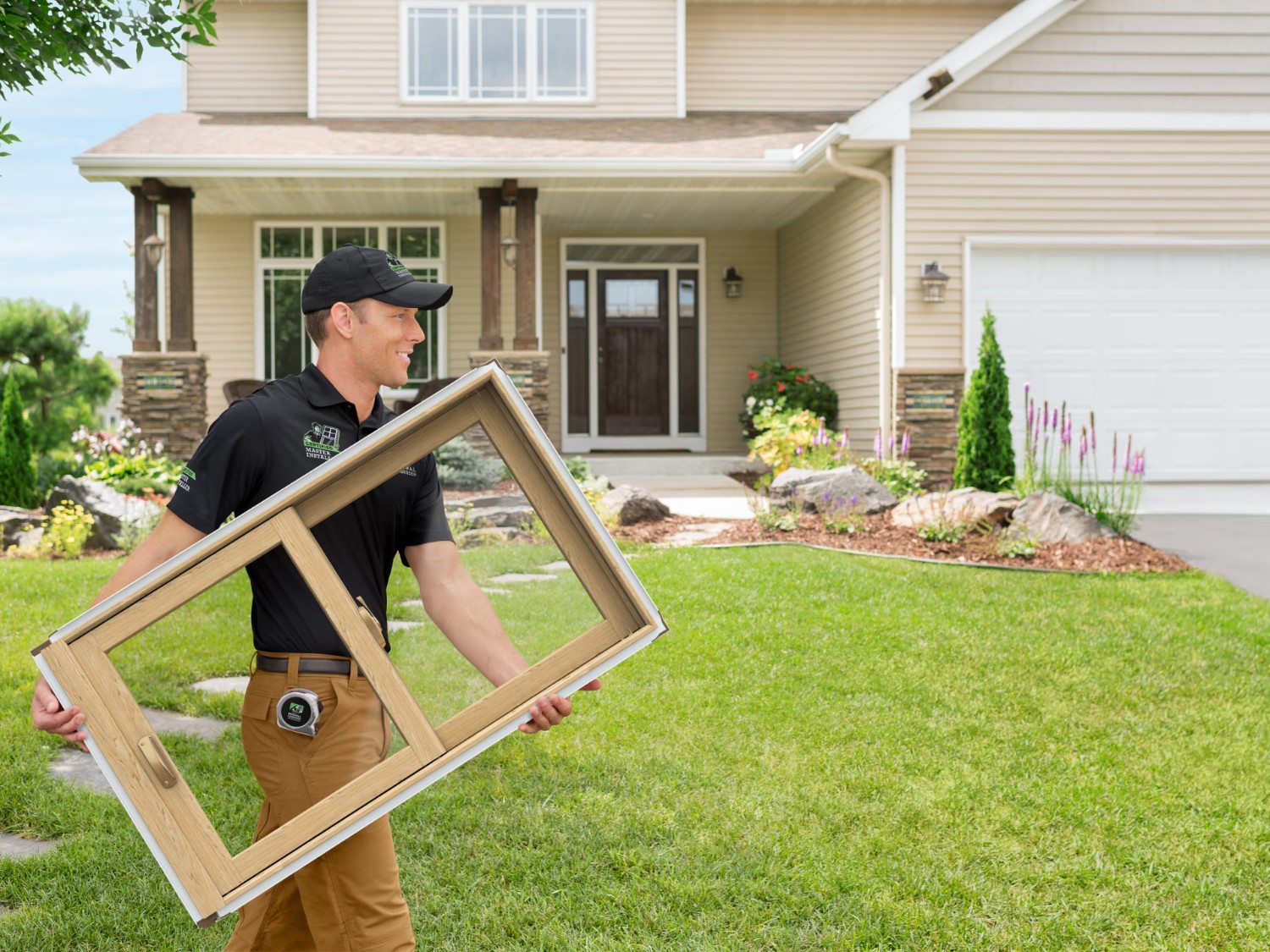
Installation
Step 4