.png?h=455&iar=0&w=1182&rev=d74e300da7ba4627bde32b9c768419b5)


Resource Article
Which Windows Let in the Most Natural Light?
Key Takeaways:
- Glass area matters most. Thinner frames and sightlines mean more glass and more light.
- Picture, bay/bow, and large casement windows let in the most light, but factors like room function, direction, and airflow determine the best option.
- More light may come with tradeoffs to weigh, like glare, heat transfer, and privacy.
Are you looking for replacement windows that will let more natural light into your home? Before exploring window styles, consider the type and amount of natural light you want in the room. That vision can help guide the rest of your window decisions. After all, most homeowners don’t start with window style in mind. They start with a goal, like a brighter kitchen, a sunroom that actually feels sunny, or a living room that doesn’t need the lamps on at 2 p.m.
Achieving that outcome means understanding the factors that impact how much light a window lets in, not just which style looks the brightest in a photo. Here's what actually determines how much light your windows let in, which styles perform best, and what tradeoffs to weigh before you decide.
Factors That Influence Daylight
Before comparing window styles, it helps to know what's actually driving the difference between a bright room and a dim one. Three factors matter most.
Glass area and frame sightlines
The single biggest factor in how much light a window lets in is simple. How much of the window unit is glass?
A window's frame, sash, and grille all block light, even though they're a necessary part of how a window works and stays weathertight. The less frame you see, the more glass area you get, and the more light reaches your room.
Frame thickness matters as much as overall window size—two windows of the same dimensions can perform differently if one has substantially thinner sightlines than the other. When you're comparing options, pay attention to how much of the window is actually glass versus frame. That answer tells you more than the style name alone.
One important detail to be aware of: insert windows, which fit into your existing frame rather than replacing it, will always have less glass area than a full-frame replacement of the same size. That doesn't make them the wrong choice—plenty of homeowners are happy with insert windows—but it's the kind of detail that you should know and be okay with before the project starts.
Visible transmittance (VT)
If you start researching windows and natural light, you'll likely run into the term Visible Transmittance, or VT. It describes how much visible light passes through a window, and it's one of the measures the U.S. Department of Energy points to when explaining window performance.
VT is shown as a number between 0 and 1. The higher the number, the more light gets through. A VT of 0.70, for example, means about 70% of visible light makes it through. VT value matters because it's separate from the window's overall size and style. Glass has the biggest effect on how much light gets through. Tints, extra panes, and some glass coatings can reduce light, while clearer glass lets more in.
Window orientation: Why direction matters
Which direction your windows face has a bigger impact on daylight than most homeowners realize, and it's a factor no window style can fully overcome.
- South-facing windows generally receive the most consistent light throughout the day and year, with manageable heat gain.
- West-facing windows can bring in blazing, dramatic afternoon light, but they're also the most prone to glare and overheating late in the day.
- East-facing windows offer softer morning light that fades by afternoon.
- North-facing windows provide the most even light, diffusing it with little glare, but the lowest overall volume of direct sunlight.
None of this means you're stuck with whatever direction your walls already face. It does mean that orientation should factor into which rooms you focus on first and which window styles make the most sense in each one.
The Best Windows for Natural Light (and Where to Put Them)
Now that we’ve covered the fundamentals, here's how common window styles compare when natural light is the priority.
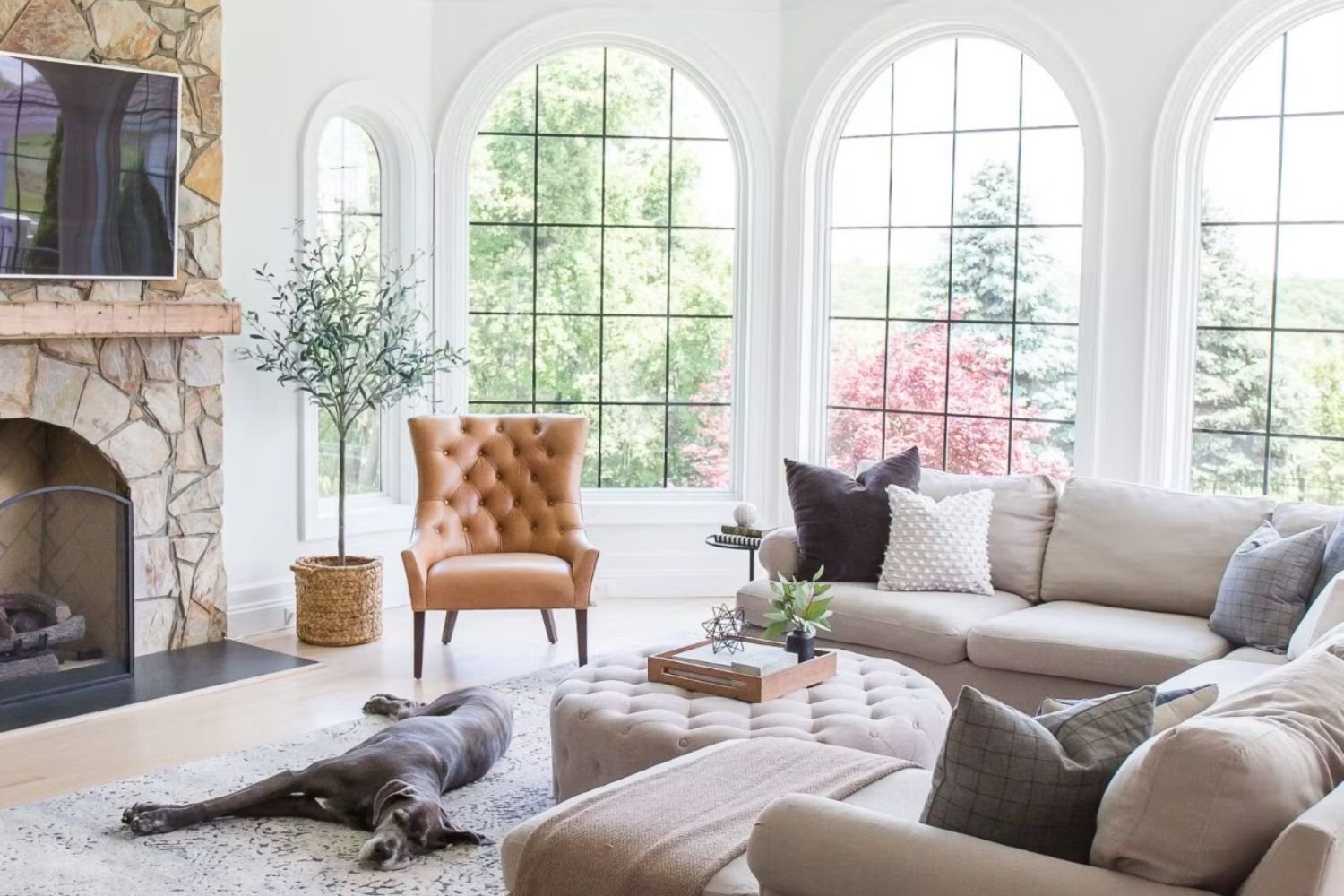
Picture windows
Picture windows are fixed, meaning they don't open, which lets them use nearly all of their frame space for glass. That makes them one of the most effective styles for maximizing light in a single window. Because they're unobstructed by grilles or sashes, they also tend to feel more expansive than an operable window of the same size.
The tradeoff is that picture windows don't provide ventilation on their own, so they're typically paired with an operable window nearby.
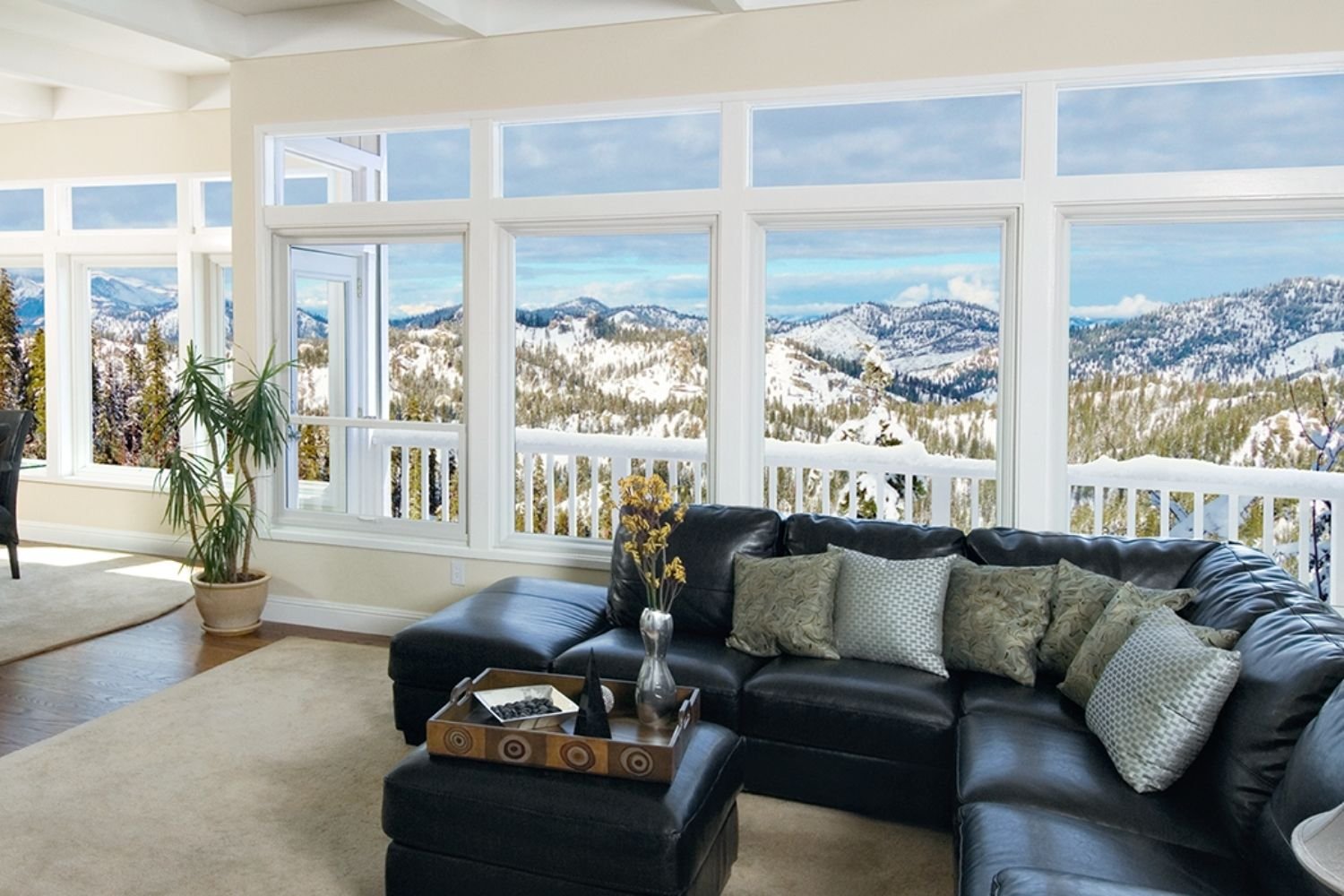
Bay and bow windows
Bay and bow windows project outward from the home and combine multiple window units, often at angles. That configuration means they capture light from more than one direction throughout the day, not just straight ahead. A bay window built around a central picture window flanked by operable units, like casement or double-hung windows, can offer both light and functional airflow.
They also add small amounts of usable interior space, which is part of why they're a popular choice for reading nooks or breakfast areas.
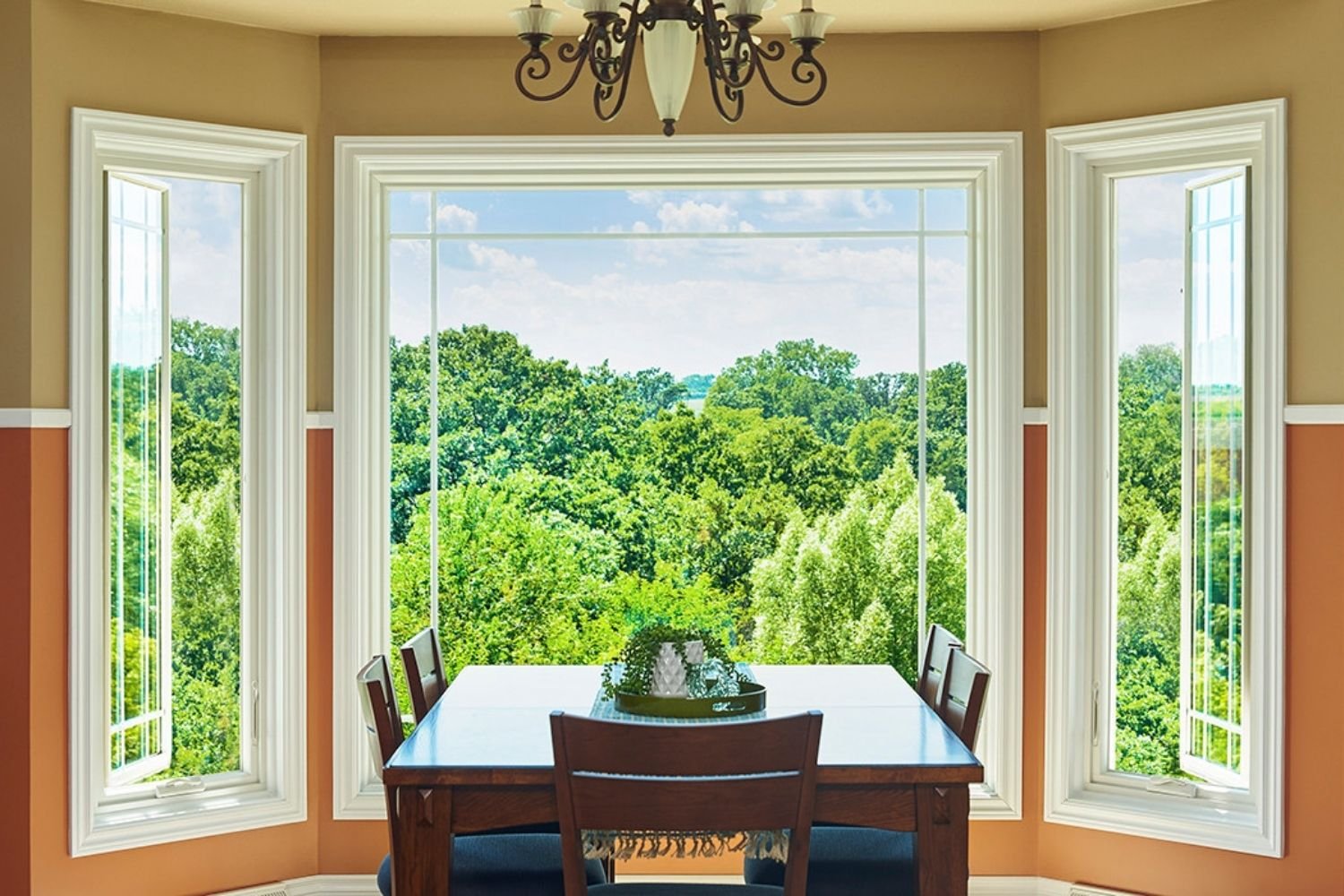
Casement windows (larger configurations)
Casement windows are hinged at the side and crank open like a door. Because their hardware is minimal compared to sliding or double-hung styles, larger casement configurations can offer a high glass-to-frame ratio, especially when used in multi-window arrangements. They're a smart option when you want both meaningful ventilation and a substantial amount of light.
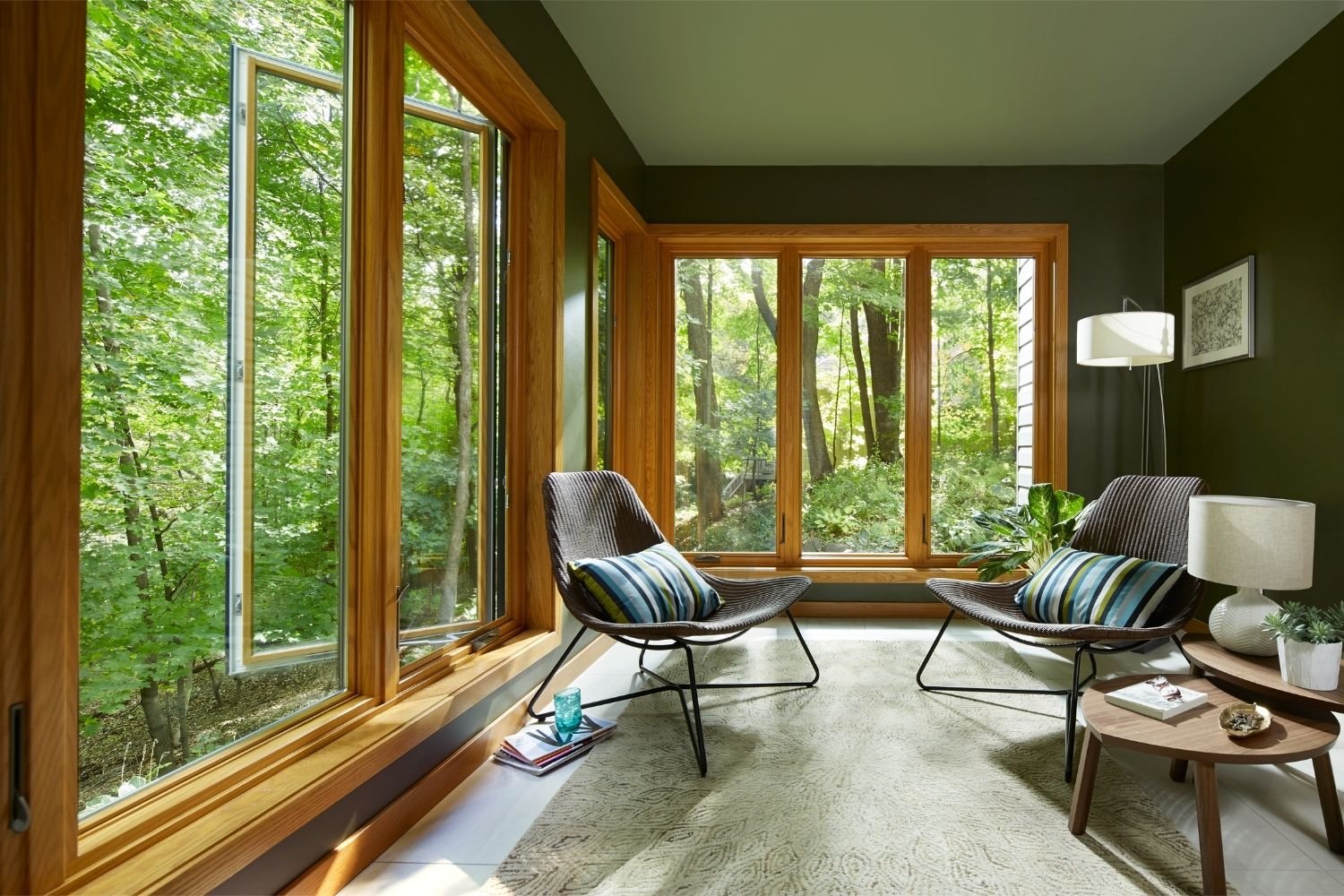
Room-by-room considerations
Where you're adding light matters as much as which style you choose.
- Living rooms are ideal spaces for picture or bay windows, especially when you’re going for a bright, open feel and there's already another source of ventilation nearby.
- Kitchens tend to do well with casement windows over a sink or workspace, where crank-open ventilation is genuinely useful.
- Primary bedrooms can handle larger picture or bay configurations if privacy needs allow, although you should plan for window treatments from the start in these more private spaces.
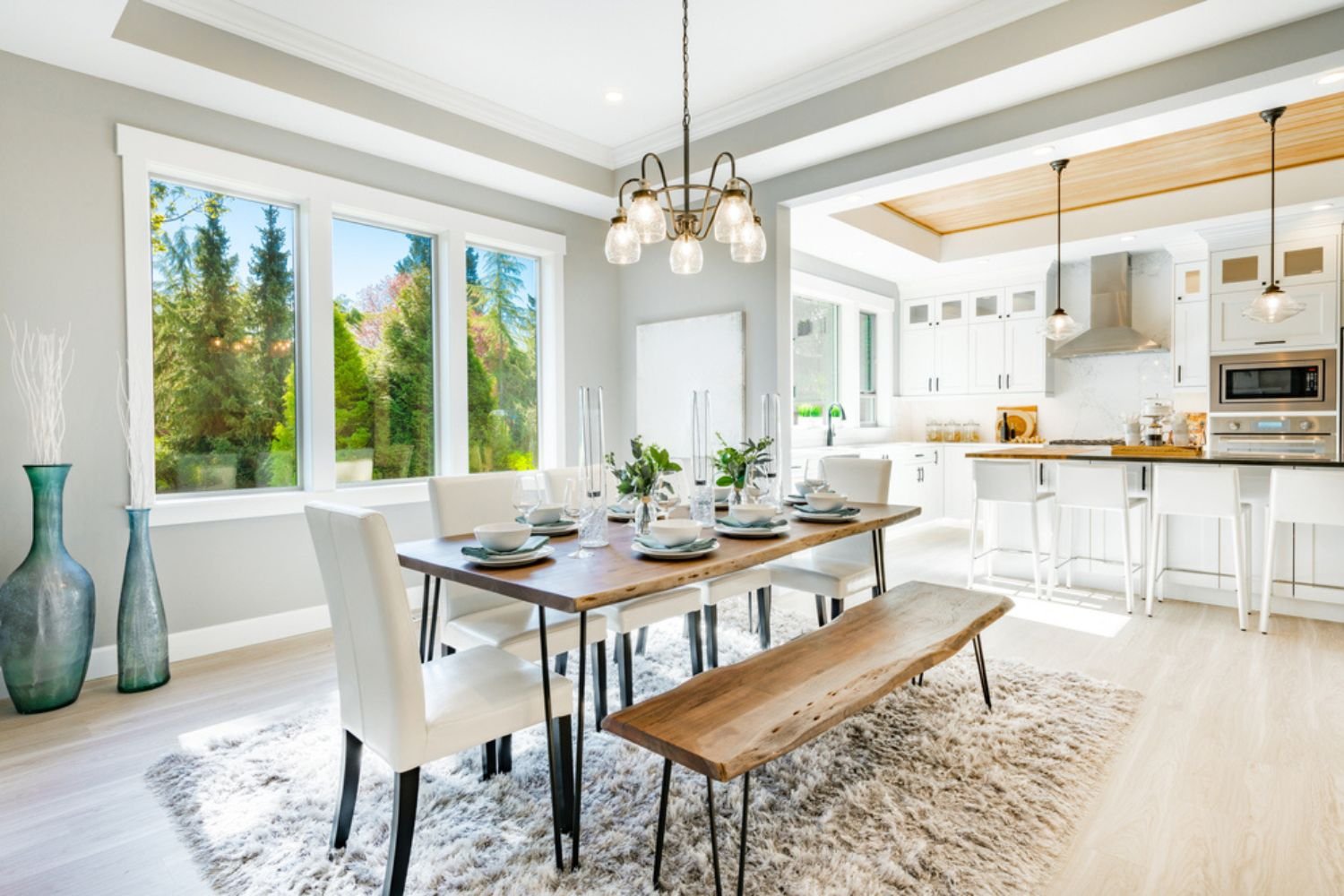
How Frame Design Affects Natural Light
Style and orientation aren't the only things shaping how much light reaches a room—the frame itself plays a real role too. A few design choices can meaningfully affect how much glass you actually see, and how bright a room ends up feeling as a result.
Frame material and sightlines
Frame material affects how much structural support a window needs, which plays into how the frame and glass are balanced overall. Renewal by Andersen windows use Fibrex® composite material. Andersen's exclusive Fibrex material offers the strength and insulating value of wood with the low-maintenance features of vinyl. Fibrex material never requires painting and will not crack, pit, corrode, or rot.*
That combination of strength and low maintenance is part of what makes Fibrex material a reliable long-term choice, alongside the energy performance benefits that come from choosing the right glass for your climate. If you're comparing materials with light as your main concern, ask how different frame designs as well as materials factor into the equation.
Tradeoffs of Prioritizing Natural Light
Natural light does more than fill a room—it can help contribute to your mood, sleep, and overall sense of comfort at home, making it a worthwhile goal. But, like anything else, it does come with tradeoffs. Here's an honest breakdown of what you should consider.
Light vs. energy efficiency
Some Low-E glass coatings, but not all, are designed to reduce heat transfer and block harmful UV rays, which helps control energy costs and protect flooring and furniture from fading. Some of these coatings can also slightly reduce how much visible light passes through compared to uncoated glass. However, this doesn't mean Low-E glass makes a room dim.
Light vs. glare and overheating
More light isn't automatically a win if it comes with glare on a TV screen every afternoon or a room that overheats by 4 p.m. This is especially relevant for west-facing rooms, where intense late-day sun is common.
Window treatments, strategic shading, or choosing a slightly different orientation for your largest windows can help you get meaningful light without the discomfort that sometimes comes with it.
Light vs. privacy
Large, unobstructed windows that maximize light also maximize visibility, in both directions. Rooms facing the street, a neighbor's yard, or a shared property line may need a plan for privacy, whether that's window placement higher on the wall, frosted or textured glass in specific spots, or exterior landscaping.
Think through your privacy concerns for each room, since the right solution often depends on what's on the other side of a window.
Bring More Natural Light Into Your Home
The windows that let in the most natural light have a few things in common. They have more glass and less frame, glass that suits your goals, and a spot that works with the direction the room faces. Picture windows lead the way when light is the only goal. Bay, bow, and larger casement windows let you add airflow too.
Still, the best choice for your home depends on more than style. It also depends on how you use each room, how much privacy you need, and how you want the space to feel at different times of day. Thinking through those details first helps you end up with rooms that feel bright and comfortable.
Ready for a brighter home? Schedule a free consultation. A design consultant will walk through your home with you, look at the light each room gets, and help you choose the window styles, sizes, and glass that fit the way you live.
FAQ's About Windows and Natural Light
What is the best window style for natural light?
Picture windows generally let in the most natural light, since their fixed design leaves nearly the entire frame open to glass. Bay and bow windows and larger casement configurations are strong runners-up, especially when ventilation matters too. The right choice ultimately depends on the room, its orientation, and how much airflow you need alongside the light.
Does window size matter more than window style for natural light?
Both matter, and they interact. A large casement window can let in more light than a small picture window, even though picture windows generally have the best glass-to-frame ratio. Size determines how much light is possible in the first place; style and frame design determine how much of it you actually get indoors.
Can I get more natural light without sacrificing privacy?
Yes, with some planning. Window placement, height, and glass texture all offer ways to bring in light while limiting sightlines. Options like higher-set windows, frosted glass in specific panes, or landscaping can maintain privacy without requiring you to give up on a bright room.
Why does my room still feel dark even with big windows?
A few common culprits: window orientation, obstructions like trees or overhangs, dark wall colors or heavy furniture that absorb light, and window treatments that stay partially closed out of habit. Big windows create the opportunity for more light, but what's around them determines how much of it you actually see.
* Visit renewalbyandersen.com/warranty for complete warranty details.
Our Hassle-Free Process

Step 1
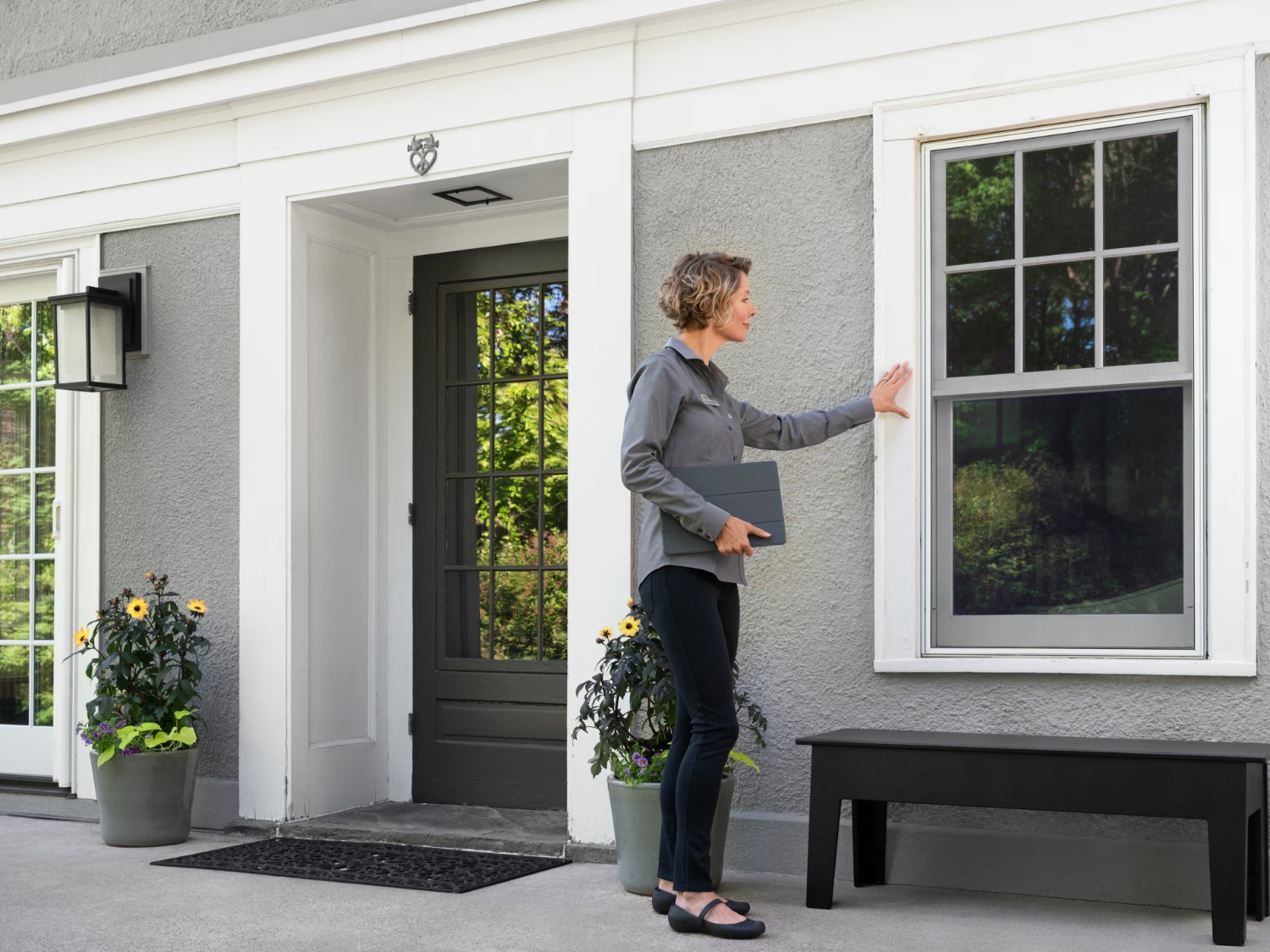
Design Consultation
Step 2
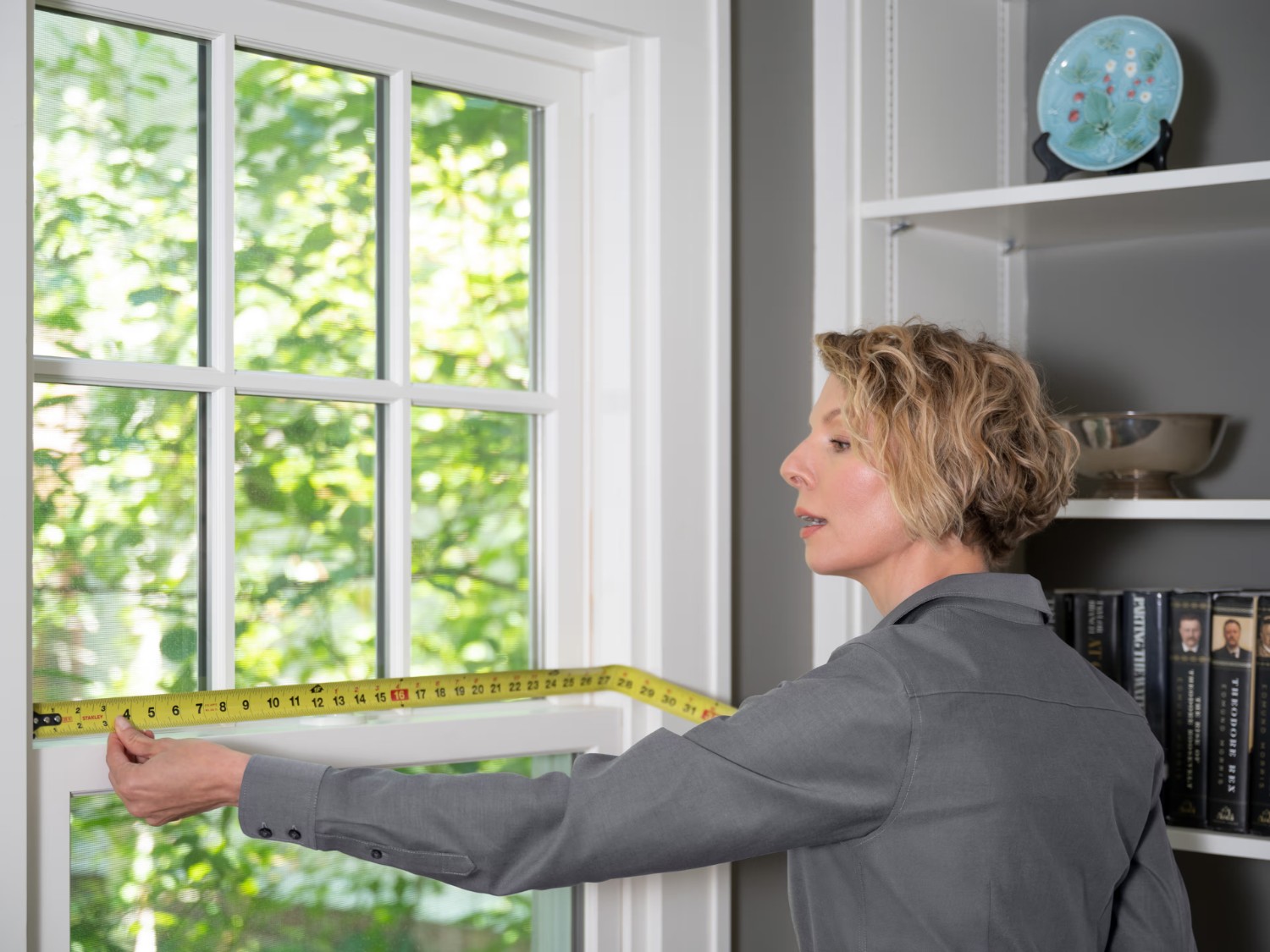
Measure and Manufacture
Step 3
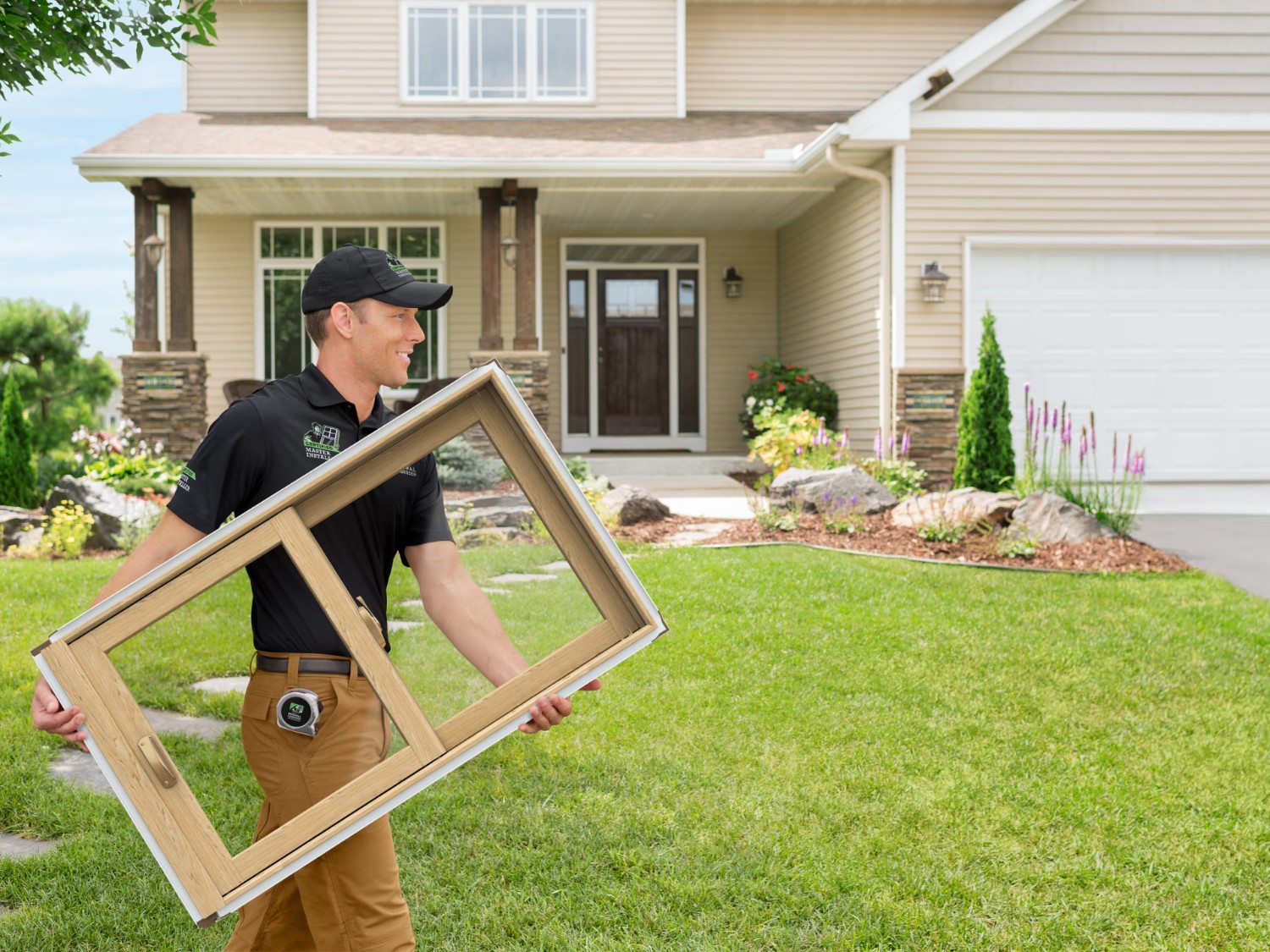
Installation
Step 4