.png?h=455&iar=0&w=1182&rev=d74e300da7ba4627bde32b9c768419b5)


Resource Article
10 Common Window Replacement Myths Homeowners Should Know
Key Takeaways
- Not all replacement windows are the same. Choosing custom or standard sizing can affect the window’s overall fit, comfort, and energy efficiency.
- Window quality matters, but proper installation is just as important for preventing drafts, leaks, and early failure.
- The right replacement plan depends on your windows’ condition, your budget, your timing, and your goals—not outdated, one-size-fits-all expectations.
What should you expect during a window replacement project? And what are some common myths about window replacement projects? Homeowners ask us about window replacement expectations all the time. After thousands of in-home consultations, we hear the same misconceptions daily.
This guide covers the top ten myths about replacing windows and the realities behind them. By the end, you’ll understand these misconceptions and what to expect instead.
1. Myth: Every Window Is Made the Same Way
Reality: Some companies make custom-made replacement windows. Other companies offer standard-sized windows that are adjusted to fit your home’s openings using shims and cuts.
What's the difference?
Windows have standard sizing. Some window manufacturer's make only standard-sized windows, also known as “off-the-shelf" windows. Standard-size windows are sold through big box stores (like Lowe’s® and The Home Depot®), local retailers and dealers, and directly through companies that install windows (like Champion Windows and Window World).
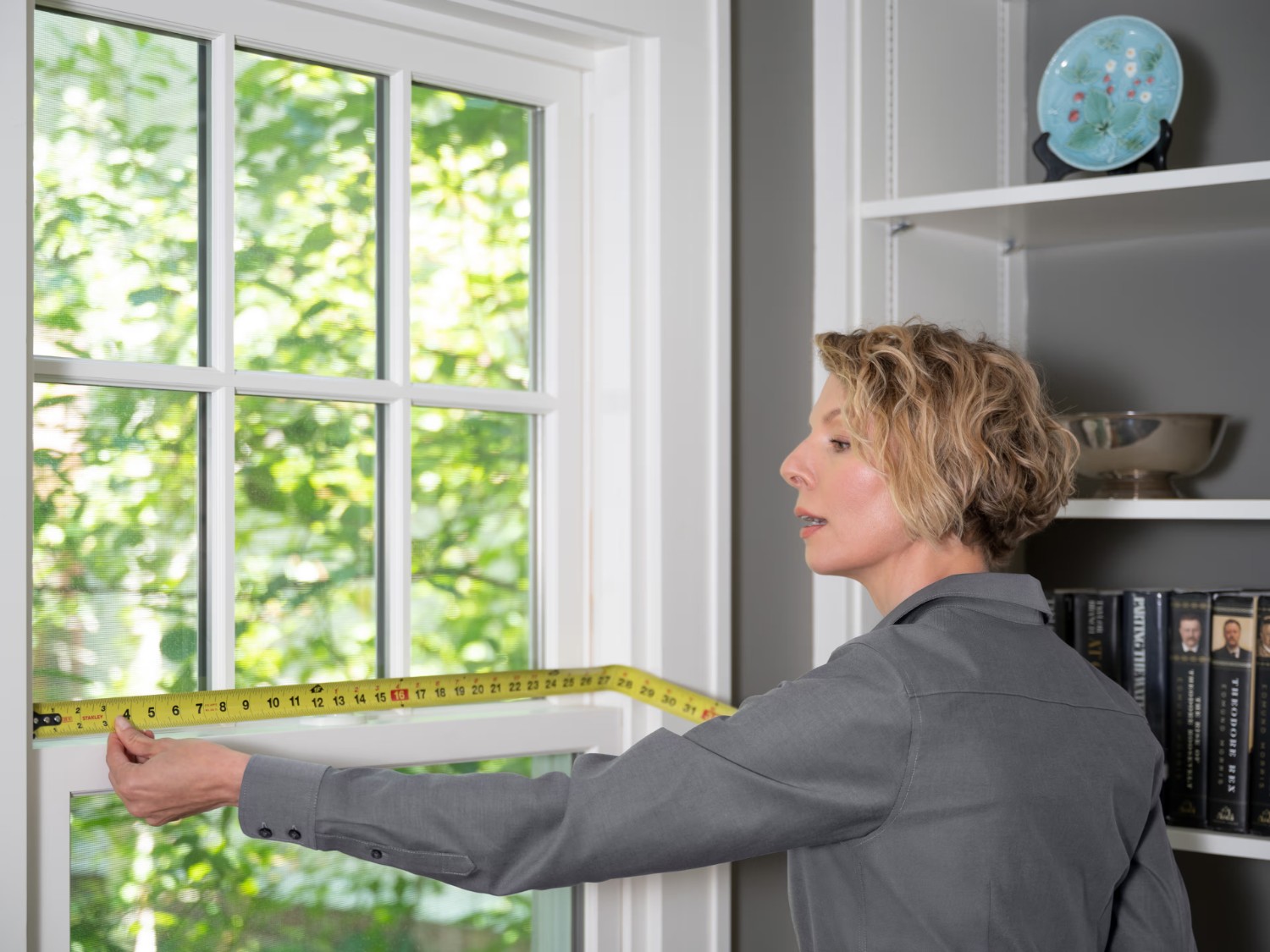
Other windows are custom made. This means the window opening in your home is measured, and then your window is manufactured to that specific size before it is installed. Renewal by Andersen custom-makes replacement windows, as does Marvin with their Infinity by Marvin® product line.
Do you need custom-made windows? Not everyone does. Even if your window openings aren’t 100% standard, installers can use shims and other tools to fit the standard windows into your home—within reason. And the cost range of standard, “off-the-shelf” windows is usually lower than that of custom windows.
But if your home has non-standard window sizes or shapes, or if you have an older or historic home, you may want to consider custom windows. Custom-sized windows are easier to properly seal, which can promote better energy efficiency. Dig more into the difference between custom and “off-the-shelf" windows.
Carmen, a Renewal by Andersen customer from Michigan, chose custom windows. “The quality is top notch. I have an older block home where the window openings are probably not all exact standard sizes. I like the fact that my windows were custom made and sized to the window openings on my home.”
2. Myth: It Doesn’t Matter Who Installs Your Windows
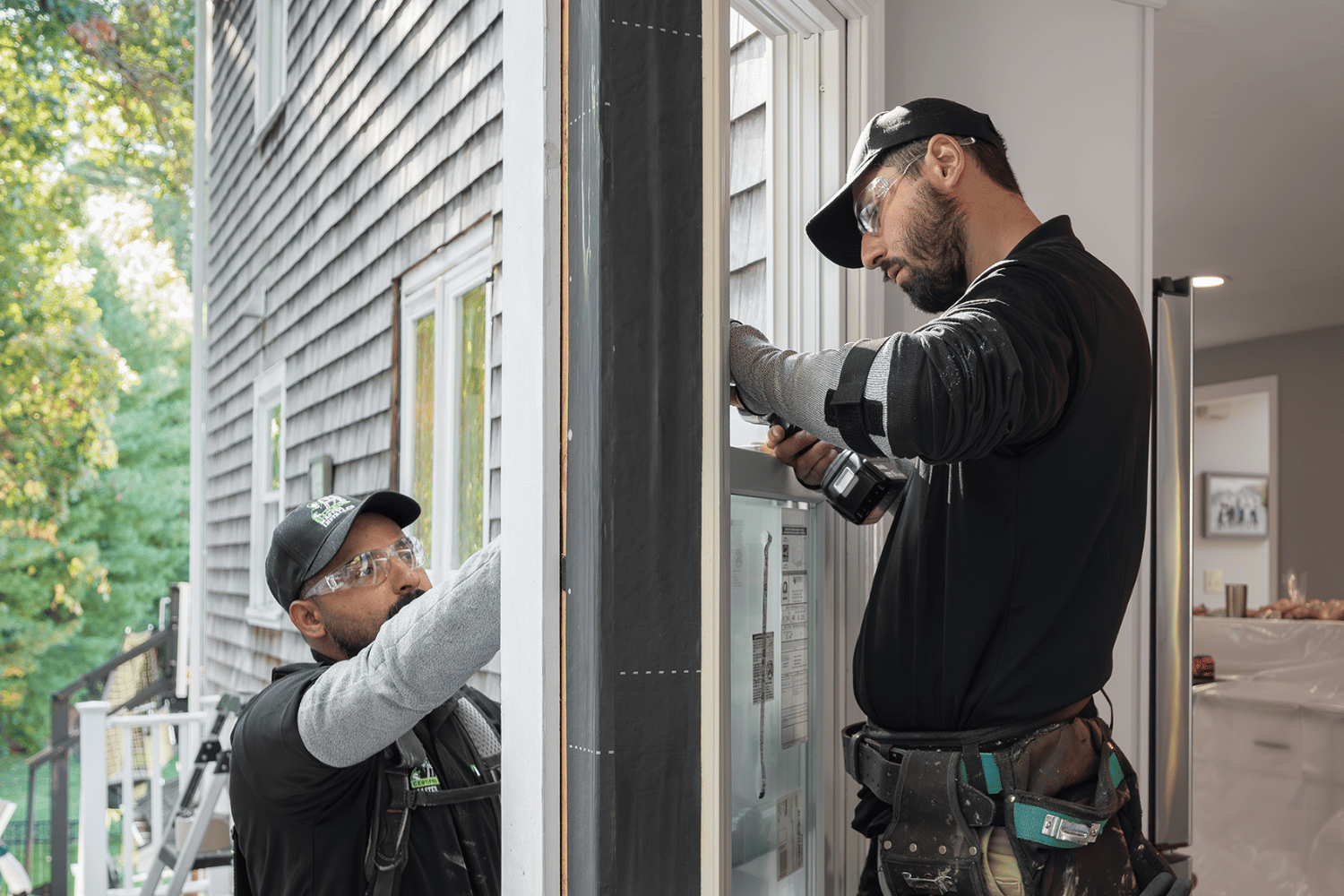
Reality: You can have the best quality windows, and if the installation is done poorly, you're going to have problems down the road.
Tom Silva, This Old House general contractor, said: “A new window is only as good as its installation. You can’t just take the window out of the box and slap it into the opening.” Without proper waterproofing and sealing, even the highest-quality windows will fail prematurely.
There are a few options when it comes to window installation:
- Purchasing the windows from an online retailer or big box store (e.g. The Home Depot® or Lowe’s®) and installing them yourself
- Hiring a contractor to install windows that either you or the contractor have purchased
- Hiring a full-service window replacement company to handle everything from custom manufacturing to installation
There are pros and cons to each installation method, but do what best works for you.
3. Myth: You Have to Replace All Your Windows at the Same Time
Reality: It’s totally up to you. You can replace just one window, every window in the house, or do a phased approach to window replacement.
Many homeowners split their window replacement into phases to manage costs. There is no right or wrong answer, but here are some questions to ask yourself.
Consider a whole-home replacement if:
- Most or all of your windows are aging or failing
- Energy efficiency is a primary goal for the entire house
- You plan to stay in your home long term
- Financing makes the upfront cost manageable
Consider a phased approach if:
- Only a few windows are clearly problematic or damaged
- You may be selling your house within a few years
- You want to prioritize the most frequently used rooms first
Learn more about choosing a whole house approach vs. phased replacement approach. Focus on what fits your budget and timeline.
4. Myth: You Should Always Go with the Cheapest Quote
Reality: Window replacement is an investment, and just because you see a low upfront cost doesn't necessarily mean you're getting the best value.
Value isn't only about the sticker price. It's the total cost divided by how long the window performs—and the performance side includes energy savings, maintenance, durability, warranty, and resale return on investment (ROI). Do your research on what works best for your home and your needs. Be sure you’re not comparing apples to oranges!
Here are things to keep in mind as you shop window replacement companies:
- Window frame material (vinyl, clad-wood, composite, etc.)
- Installation method (DIY, contractor, full-service installation)
- Warranty of parts and labor
A good estimator will explain what is included, factors that could increase cost, and what options are not worth paying for. That conversation should feel educational rather than pressured.
5. Myth: Replacing Old Windows Is Always Better Than Repairing Them
Reality: Sometimes repairing your windows is the best path for you. You don’t always need to tear out the entire unit.
If your frames are solid wood and they show no signs of rot, a simple repair might make sense. You can often fix jammed sashes, replace broken hardware, or replace or repair weatherstrip to help reduce drafts.
However, repairs are not a permanent fix for structural failure. If the window frame is rotting, or moisture sits between the glass panes, replacement is the only lasting solution. Consumer Reports outlines when to repair and when to replace your windows to help you decide.

6. Myth: Add-Ons Like Triple-Pane Glass and Low-E Coatings Are Never Worth It
Reality: Most of the time, the cost to upgrade is minimal, especially considering the potential energy efficiency savings. Features like Low-E glass coatings and inert gas fills can have a direct impact on your heating and cooling bills.
Low-E coatings are thin layers applied to the glass that reflect heat. In the summer, they help keep the sun's heat out. In the winter, they help keep your home's heat inside. They also help block harmful ultraviolet light rays, which can cause your furniture and floors to fade. For example, here at Renewal by Andersen, we have several Low-E coating options for different kinds of climates.
Argon or krypton gas blends sit between the glass panes to slow thermal transfer. Dual-pane or triple-pane glass is significantly more efficient than older, single-pane windows. Upgrading these specific components can pay off over the life of the window.
7. Myth: Window Replacement Has to Happen in the Spring or Summer
Reality: Replacement can happen year-round, even in cold, winter weather.
Professional installers use special techniques in the winter to minimize heat loss while replacing the old windows. They typically work on one window at a time, and they close off the room they are working in to help keep the rest of your house warm.
Sometimes, scheduling a winter window replacement project can actually be beneficial. Wait times for manufacturing and installation can be shorter during colder months. And sometimes you get special pricing, discounts, or promos for getting your project done in the “off-season.”
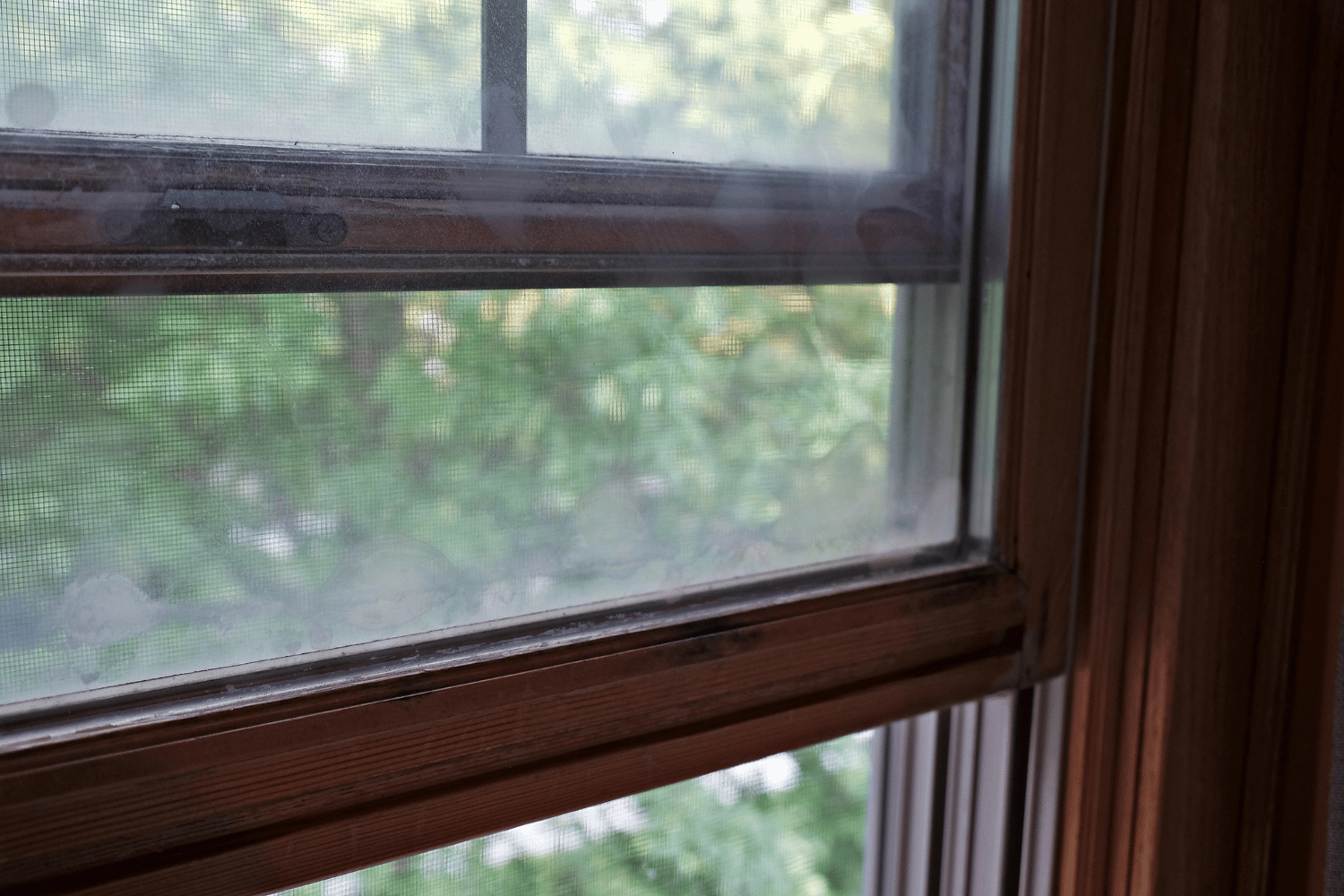
Broken seals can cause foggy glass, which means your window is underperforming.
8. Myth: Window Replacement Is Only Necessary When Damage Is Visible
Reality: There are many less visible reasons to replace your windows. Cracked glass or rotting frames are obvious signs, but hidden failures are just as common.
Other reasons you might want to replace your windows include:
- Noticeable drafts when you stand near the glass
- Poor energy efficiency causing high utility bills
- Broken seals causing foggy glass
- Difficulty opening, closing, or locking windows
- Outside noise easily heard in your home
If your heating system constantly runs, but your home still feels cold, your windows may be a possible culprit. Some electric and gas providers provide an energy audit that helps pinpoint the biggest gaps in your home’s energy efficiency. If your windows have poor energy efficiency or performance, it might be time to consider replacing them.
9. Myth: All Window Warranties Are the Same
Reality: Warranties differ greatly across the window industry. Some offer limited coverage for a few years, while others provide lifetime protection. Some cover parts and labor, and others only cover parts.
You must read the fine print before making a decision. Some warranties cover the physical window parts but exclude the labor to fix them. Other warranties do not cover the installation process at all. If an independent contractor makes a mistake, the damage is not covered.
Look for a warranty that covers both the product and the installation. Check if the warranty is transferable to the next owner if you decide to sell your house.
10. Myth: All Window Frame Materials Are the Same and Are Suitable for Any Climate
Reality: Window materials differ greatly. Some work much better in specific climates compared to others.
Wood windows are beautiful but can require more maintenance. It can be tough to keep wood windows free from rot and damage in very humid climates unless they’re clad with a material like aluminum, vinyl, or fiberglass.
Vinyl windows are affordable and low maintenance, but they can warp or crack in extreme heat and cold. Aluminum frames are strong but can conduct heat and cold easily, making them a poor choice for extreme climates unless they feature a thermal break.
Composite materials offer the strength of wood and the low-maintenance aspects of vinyl, but they usually come at a higher initial cost.
Frequently Asked Questions
Are Renewal by Andersen® windows standard sizes or custom made?
Renewal by Andersen® windows are custom made to fit your home’s exact window openings. That means each window is measured first and then manufactured to those dimensions, which helps create a more precise fit, stronger seal, and better overall performance.
Can I install replacement windows myself?
That depends on your skills, experience, and budget. Yes, you can install replacement windows yourself, but you’ll need carpentry experience and possibly experience installing windows. Even a high-quality window can underperform if it is not sealed, insulated, and flashed correctly. Improper installation mistakes can lead to more drafts, leaks, and unwarranted issues down the road.
How do I know if I should repair or replace my windows?
You should repair your windows if the issue is minor, such as worn caulk or sealant, broken hardware, or a sash that sticks—and the frame is still in good shape. Replacement is often the smarter choice if you have rot, water intrusion, fogging between panes, ongoing drafts, or windows that no longer open, close, or lock properly.
Is it better to replace all windows at once or do it in phases?
It is not necessary to replace all your windows at once; many homeowners choose a phased approach to spread out the cost. Whole-home replacement can make sense if most windows are aging or failing, while phased replacement works well if only certain rooms or problem windows need attention first.
What time of year is best to replace windows?
Replacement windows can be installed year-round, not just in spring or summer. Professional crews typically replace one window at a time and use techniques to limit heat loss, so winter installations are very doable and may even come with shorter wait times or seasonal promotions.
What Homeowners Should Expect from a Window Replacement Project
When it comes to window replacement, a lot of the stress can come from bad information—not the project itself. Understanding the most common myths can help you know what to expect, ask better questions, and make decisions that feel right for your home, budget, and goals.
But window replacement doesn’t have to be mysterious, overwhelming, or full of surprises. If you’d like more help sorting fact from fiction or want to explore your replacement window options, give us a call or reach out—we’re happy to help. Schedule a free in-home design consultation with us today.
Our Hassle-Free Process

Step 1
Design Consultation
Step 2
Measure and Manufacture
Step 3
Installation
Step 4