.png?h=455&iar=0&w=1182&rev=d74e300da7ba4627bde32b9c768419b5)


Resource Article
Should I Replace All My Windows at Once or in Phases? A 2026 Decision Guide
Key Takeaways:
- Whole home: Lower per-window cost, immediate energy gains, one installation event
- Phased replacement: Lower upfront spend, lets you prioritize the worst windows first
- Window condition, climate, budget, and how long you plan to stay in your home are the four biggest decision factors
- Financing options exist for both approaches—a large project doesn't have to mean a large upfront payment
- The right choice for you depends on your home and priorities
Homeowners ask us this question all the time. After thousands of in-home consultations across the country, here's what we've learned: sometimes we recommend a full replacement, sometimes we recommend phasing it out over a couple of years, and sometimes we tell homeowners to wait another season before doing anything at all. The right answer depends on your specific home, your specific budget, and your specific timeline.
So which approach is right for you? Should you replace all your windows at once, or do a few now and finish the project later?
In this guide, we'll walk through the pros and cons of replacing every window at once versus splitting the project into phases. We'll cover the four factors that actually drive the decision (window condition, climate, length of stay, budget), explain how financing changes the math, and give you a clear "consider this approach if" framework you can apply to your own home.
What Are the Pros and Cons of Replacing All My Windows at Once?
Whole-home window replacement pros:
- Lower per-window cost. Spreading labor and setup costs for a single project typically brings the per-window price down compared to multiple smaller projects.
- Immediate energy efficiency gains. Replacing every window at once elevates your entire home to the same performance standard. You may feel the difference right away in comfort and could see savings on your utility bills.
- Single installation. You move furniture once, accommodate a crew once, and deal with disruption once—then it's done.
- Locked in pricing. Material and labor costs can rise over time; a full replacement can save you from paying more per window during later phases.
Whole-home window replacement cons:
- Higher upfront cost. A full-home replacement requires a larger financial commitment at once, even when financed.
- Multiple-day installation. Full-home projects require more time to install than a smaller job. They’re typically not done in one day.

What Are the Pros and Cons of a Phased Window Replacement?
Phased window replacement pros:
- Lower initial spend. You can replace the most urgent windows now without committing to the full project cost upfront.
- Prioritize problem areas first. Phasing lets you target the windows causing the most immediate discomfort (drafts, failed seals, visible damage) while waiting to replace others that are still performing well enough.
- Flexibility for timelines. If you're not sure how long you'll stay in the home, phasing lets you invest as you see fit rather than all at once.
Phased window replacement cons:
- Higher total cost. You may lose out on discounts for multiple windows or locked in material and labor costs.
- Incremental energy gains. Replacing a few windows in a home among many aging ones helps improve things at the margins, but the remaining old windows continue affecting comfort and energy bills.
- Repeated disruption. Moving furniture and clearing window areas multiple times over months or years can be more disruptive in the long run than a single installation event.
Who Is a Phased Approach Right For?
A phased replacement makes the most practical sense in a few situations:
- Some windows are significantly worse than others. Water intrusion, damage, poor installation, and material quality can cause some windows to deteriorate faster than others. If a few windows are clearly failing while others are still performing, there's no strong reason to replace the whole house at once.
- Budget is a real constraint right now. A phased approach lets you spread costs over time without taking on a large financing commitment upfront.
- You're not planning to stay long term. If you expect to sell within a few years, it may make more financial sense to address the most visible or problematic windows without investing in a full replacement.
How Do You Decide? Four Factors That Actually Matter
1. What condition are your windows in?
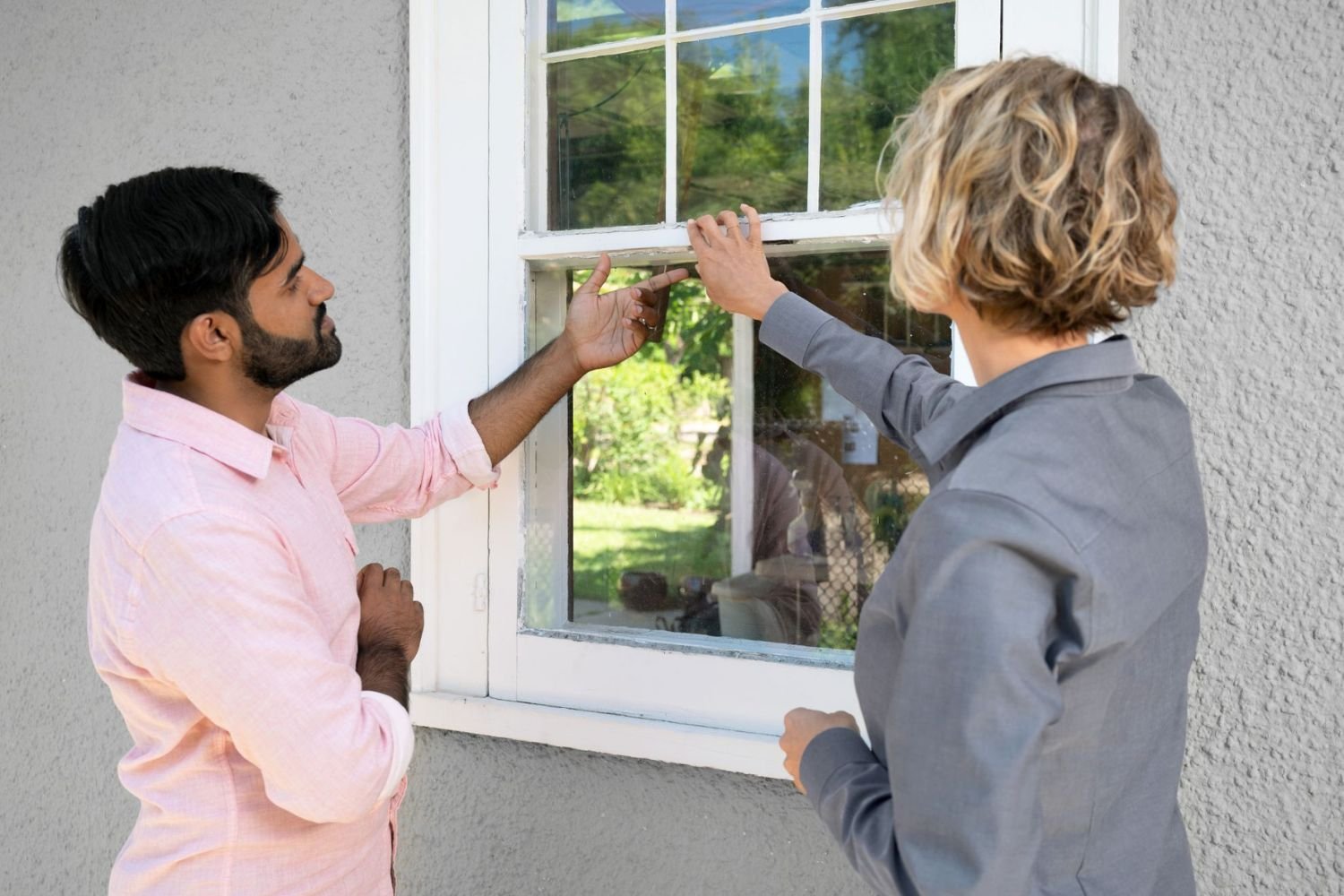
Walk around your home and look at every window. Are they all deteriorating at the same rate, or are some significantly worse than others? If every seal is failing, and every window leaks air, a full replacement is the logical answer. If you have a handful of clear problem windows and the rest are performing fine, phasing makes more sense.
2. What climate do you live in?
In regions with significant temperature swings—cold winters, hot summers—window performance has a real impact on energy bills and comfort. In those climates, getting all windows up to the same performance standard at once typically delivers more noticeable and faster energy savings. In milder climates, the urgency of a full replacement may be lower.
3. How long are you planning to stay?
This is one of the most important questions. A full replacement is an investment that can pay off over years—in energy savings, reduced maintenance, and home value. The longer you plan to stay in your home, the more opportunity you have to recoup a larger, upfront investment. If you're a few years from selling, a targeted phased approach may be the more practical choice.
4. What's Your Budget?
A full replacement means a larger upfront commitment, which is typically financed. A phased replacement means lower initial cost but repeated expenses over time, and potentially a higher total. The right answer is the one that fits your real financial situation without creating stress.
How Do Homeowners Pay for Window Projects?
Window replacement is a significant investment, and most homeowners don't pay cash for large projects. Common financing approaches include:
- Home equity lines of credit (HELOCs): Often offer lower interest rates for homeowners with built-up equity.
- Personal loans: More accessible for homeowners without significant equity.
- Company financing: Many window companies offer payment plans directly. Renewal by Andersen offers financing options to fit your budget with monthly payments.
Financing a full replacement can make the whole-home approach more accessible than it initially appears—spreading the cost into predictable monthly payments rather than a single lump sum payment.
Where Does Renewal by Andersen Fit In?
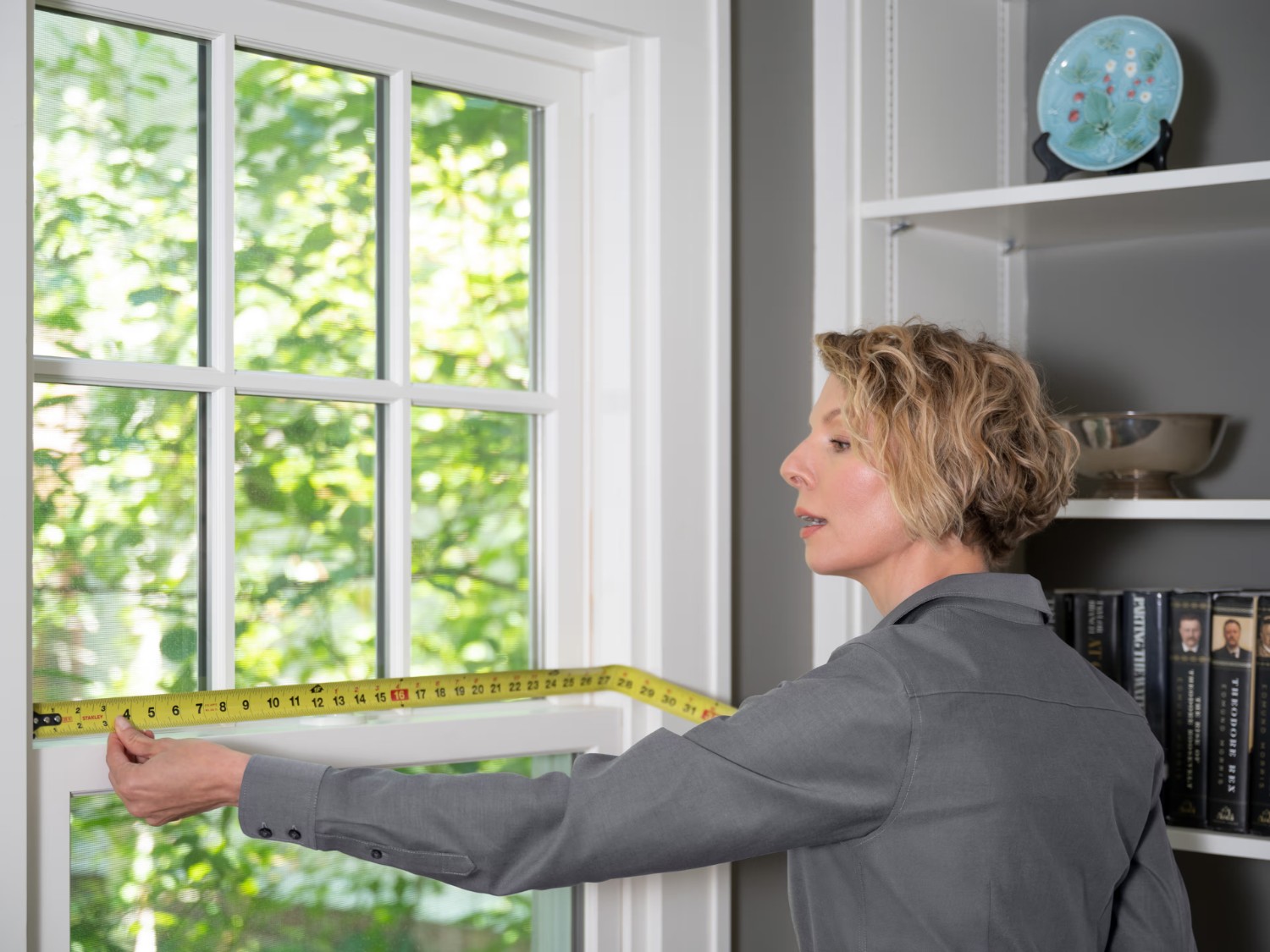
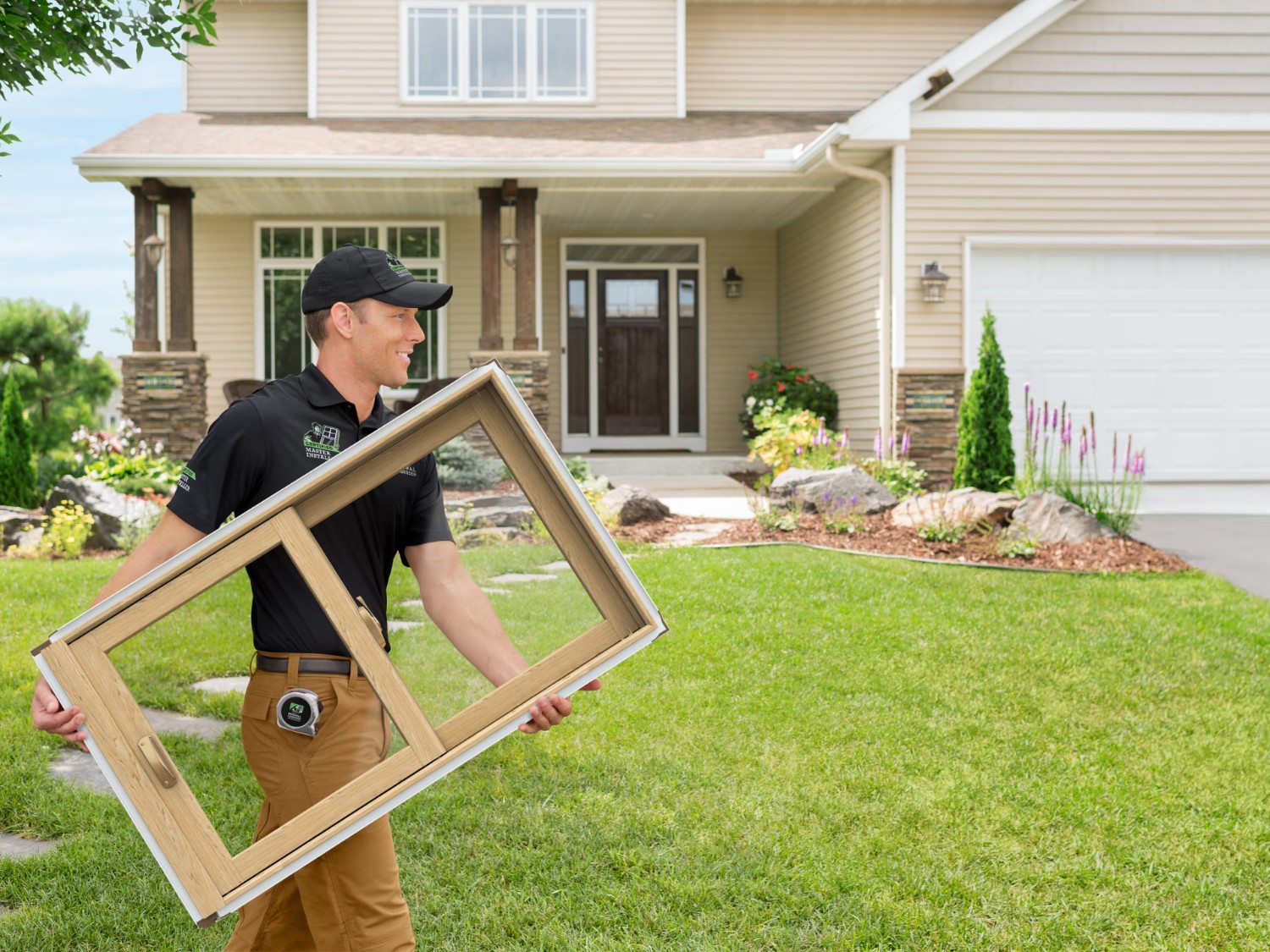
Renewal by Andersen works with homeowners on both whole-home replacements and phased projects. Either way, the process is the same: a personalized in-home consultation, precise measurement by project technicians, professional installation, and warranty coverage on both the product and the installation.
Whether you're replacing two windows or twenty, the product and installation quality are top-tier.
Schedule a Free Consultation
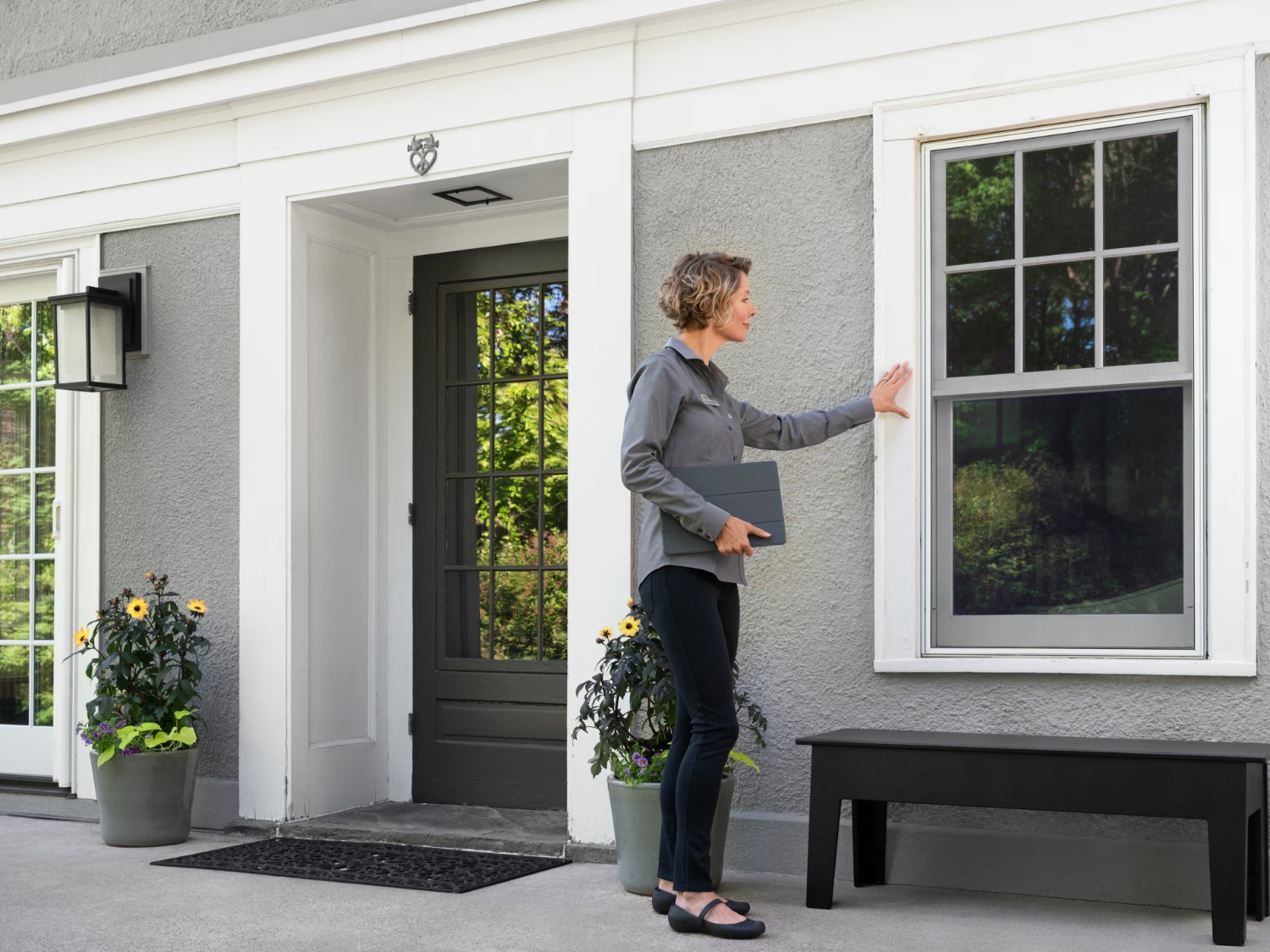
If you're not sure which approach fits your home, the best next step is a conversation—not a commitment. Scheduling a free in-home consultation will give you an accurate assessment of your windows' condition, a clear picture of what each approach would cost for your specific home, and the information you need to decide with confidence.
Frequently Asked Questions About Window Replacement
Is it cheaper to replace all windows at once or in phases?
A whole-home replacement is usually less expensive per window, because labor costs get spread across more units, and you only pay for one installation visit. Phased replacements tend to cost more in total over time, primarily because of repeated labor overhead. That said, the right approach depends on your home's condition and your budget—not just the cost-per-window math.
How long does a whole-home window replacement take?
Most whole-home replacements are completed in two to three days, depending on the number of windows, size of the crew, and the complexity of the installation. Phased projects are completed faster per visit but extend the total project timeline over months or years.
What are the signs that a window needs to be replaced?
Common indicators include drafts near the frame, difficulty opening or closing, visible frame damage or rot, and noticeably higher energy bills. There are a handful of signs that suggest your home's windows need a professional assessment.
Does Renewal by Andersen do phased replacements?
Yes. Renewal by Andersen works with homeowners on projects of any size—from a single window to a full home. During your consultation, your design expert can help you assess which approach makes the most sense for your home and budget.
Our Hassle-Free Process

Step 1
Design Consultation
Step 2
Measure and Manufacture
Step 3
Installation
Step 4