


Resource Article
What Are the Best Windows for Your Living Room?
Key takeaways:
- The best living room windows for your home depend on your living room size, view, ventilation needs, design preferences, and budget.Picture windows are best for showcasing a scenic view and allowing more sunlight.
- Bay and bow windows work best in larger living rooms, allowing more natural light and extra seating space.
- Double-hung windows are best for homeowners who want a classic, versatile option that complements most design styles.
- Casement windows are best for energy-conscious homeowners and contemporary homes where airflow and energy efficiency are top priorities.
What Are the Best Windows for Your Living Room?
Your living room is where you unwind, entertain guests, and soak up the view. You can have any type of replacement windows installed in your living room, but some options are a better fit than others.
What’s the best type of replacement window for your living room? How do you know which one is the best option for your space?
The answer depends on how you use the room and what’s most important to you. In this guide, we’ll compare picture, bay and bow, double-hung, and casement windows to help you choose the best living room windows for your home. Let’s have a look.
Design and Function Factors for Living Room Windows
Choosing the best replacement windows for your living room means matching the window to how you use the space. Consider natural light, airflow, energy efficiency, view, and whether the window style fits your living room’s size and layout.
Natural Light
Larger windows let in more sunlight, making your living room feel brighter and more open. If the living room is the heart of your home, getting the glass size and placement right can make a real difference in how the room looks and feels every day.
Airflow
The window style you choose can affect your living room’s airflow. If you want more ventilation, consider a casement or double-hung window. A casement window’s sash opens fully outward, creating a large opening for fresh air. Double-hung windows can improve airflow by opening the upper and lower sashes, creating two paths for ventilation.
Energy efficiency
Living rooms often showcase the largest windows in the home, which means they can be the biggest source of heat loss in the winter and heat gain in the summer. Consider insulating glass and well-sealed frames to help keep the room at a stable temperature. Replacing your windows with ENERGY STAR certified windows can help lower household energy bills by up to 13%.
Window style and fit
The size and shape of your replacement window should match the size of the room. If the window is too small, it can look out of place and let in less natural light. Too large, and it can overwhelm the room. Choosing a window style and size that fits the room helps it look natural and function better in the space.
When to Choose Living Room Picture Windows
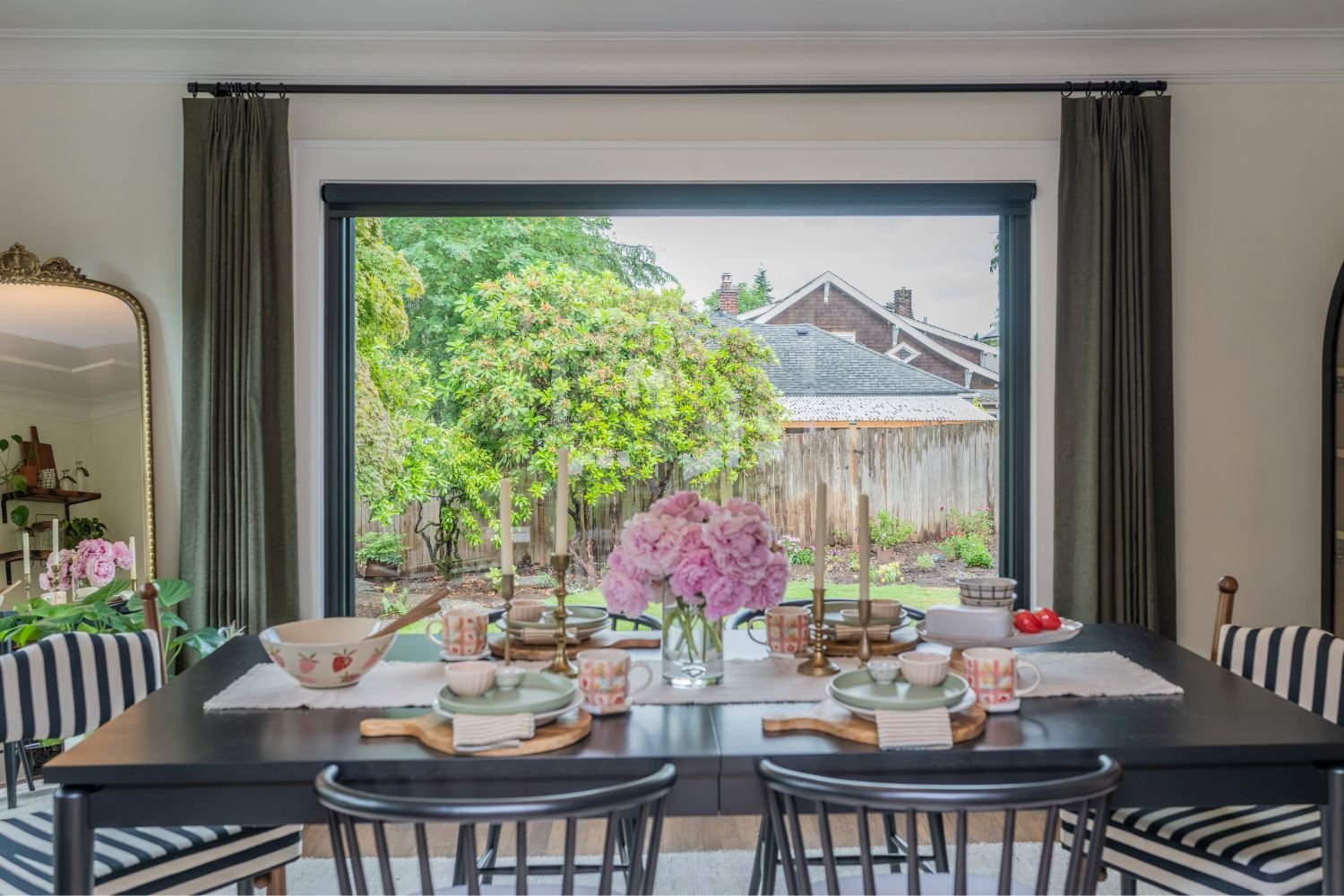
With a large, fixed pane of glass, picture windows are hard to beat if you want the best possible outdoor view. They don’t have sashes or rails breaking up the glass, giving you the clearest view and most natural light of any window type. Since picture windows don’t open, they seal tightly without moving parts that could leak air. That could mean better energy efficiency and less maintenance.
Now, the disadvantages. Because picture windows don’t open, they don’t provide ventilation or fresh air. Some homeowners get creative and pair their picture window with a casement or double-hung window to get more ventilation. Picture windows can also make a room feel too bright or warm, especially if they have maximum sun exposure facing west or south. Consider Low-E glass to help keep your home cool in the summer and warm in the winter.
Best for maximizing outdoor views and natural light.
When to Choose Living Room Bay and Bow Windows
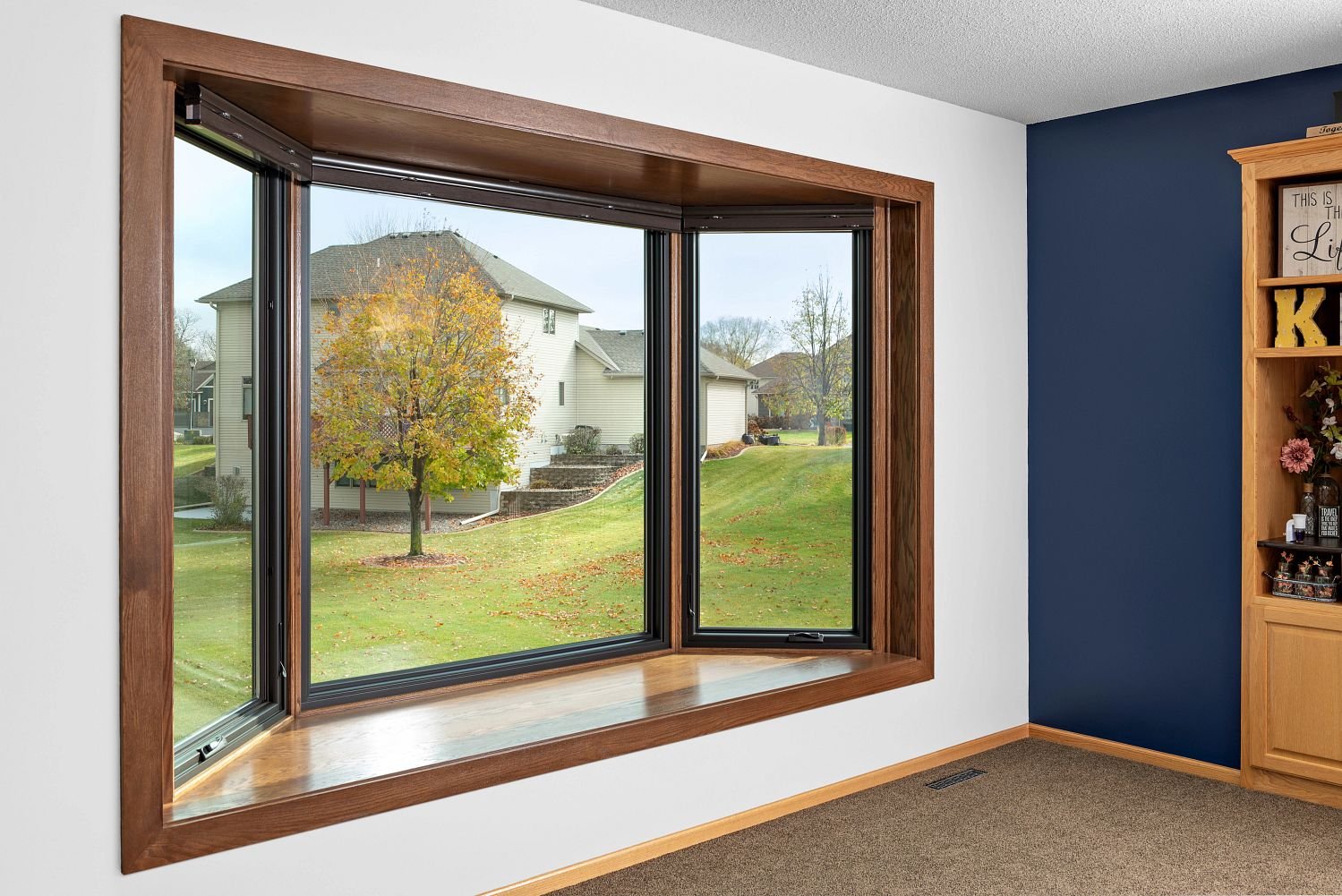
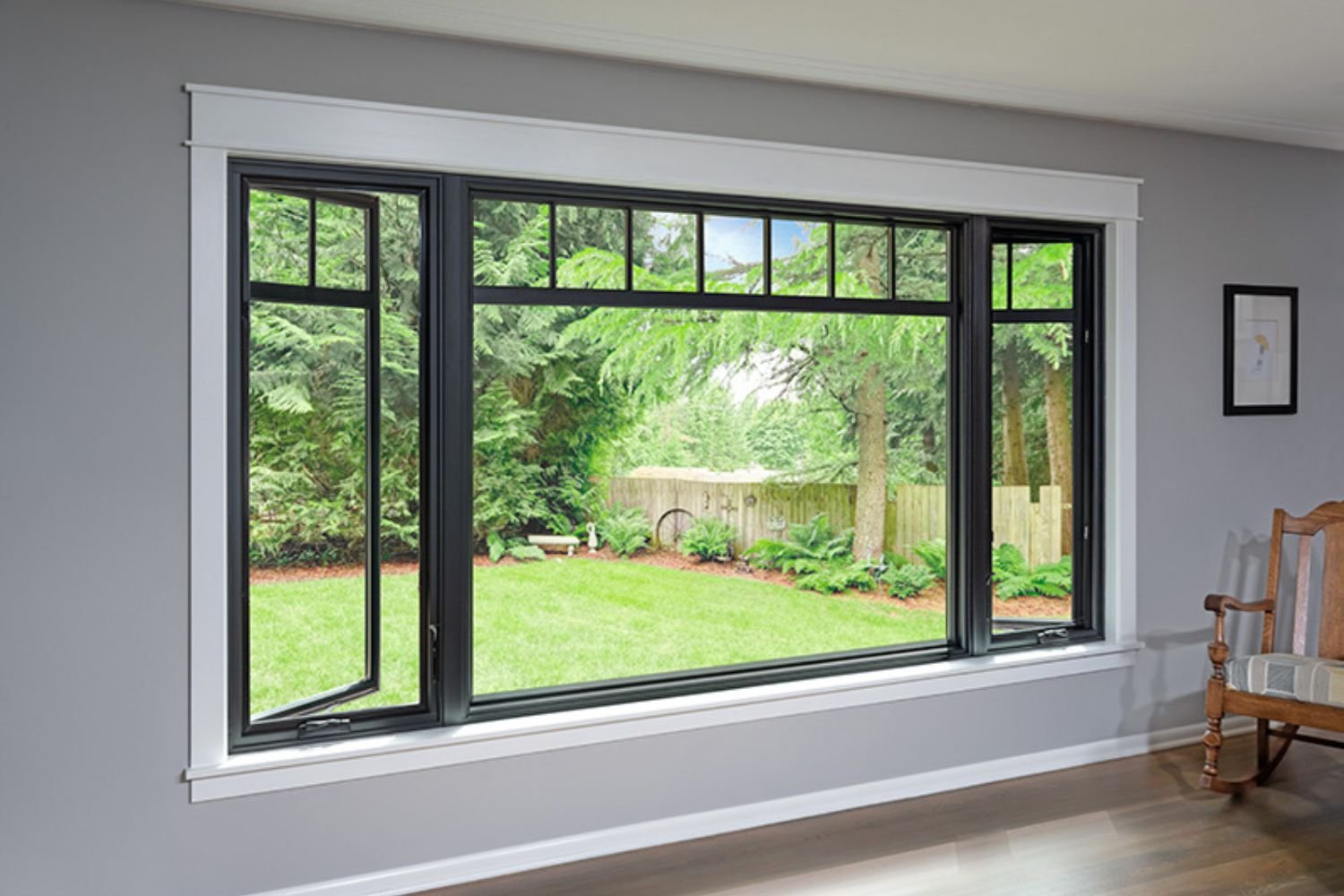
A bay window typically has three glass panels with a large picture window in the center and two angled windows on each side. A bow window often has four to six equal-sized panels arranged in a gentle curve.
The angled glass panels can keep your living room bright by pulling in light and views from different directions, helping make the room feel larger by bumping out the space beyond the room’s wall. Bow windows can act as a living room window seat, which is a great fit for avid readers and anyone who wants to feel more connected to the outdoors.
The extended space can come with drawbacks. Bay and bow windows are often the most expensive options, mostly because their design typically requires more labor, materials, and structural support. With more glass panels and moving parts, you may spend more time maintaining them.
Best for living rooms where you want extra space, more natural light from multiple directions, and wider views.
When to Choose Living Room Double-Hung Windows
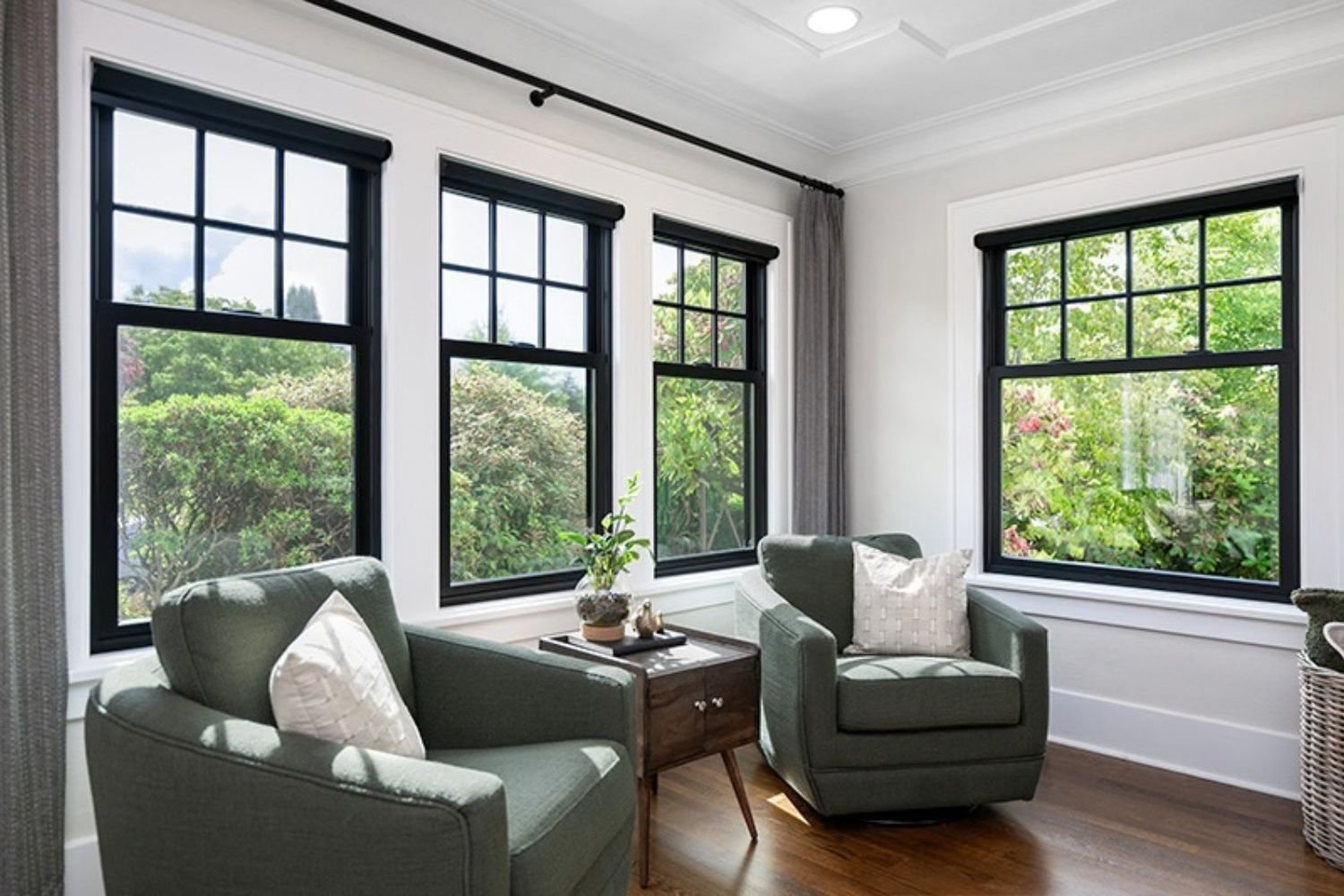
Double-hung windows are one of the most popular choices for living rooms. One of the biggest perks is how well they naturally fit the style of most homes, whether it’s traditional, farmhouse, colonial, or craftsman. They also help maintain consistent airflow because both the top and bottom sashes can open. Double-hung windows are easy to clean and save space since they slide up and down inside the frame.
In some cases, double-hung windows aren’t a perfect fit for living rooms. The horizontal rail divides the glass, which can partially block your view and allow in less light than a picture or casement window.
Best for homeowners who want more airflow, easy cleaning, and a window that fits the style of most homes.
When to Choose Living Room Casement Windows
If you want to fill your living room with fresh air and sweeping views, consider casement windows. They open fully with a hand crank, helping bring in more airflow than other window styles. Without a center rail interrupting your view, you get a clear, uninterrupted view of the outdoors and more sunlight than a double-hung window.
However, casement windows come with trade-offs. The windows need enough clearance outside to open outward. That isn’t ideal if you have a patio or walkway directly outside where people will be gathering or walking. Casement windows can cost more than double-hung windows because they use hinges, a crank, and more hardware to open and close.
Best for homeowners with a modern or contemporary style who want unobstructed views and more airflow.
How to Choose the Right Living Room Windows
The best living room windows for your home may not be the same as your neighbor’s. Some homeowners prioritize views and natural light, while others focus on airflow or a style that complements their home’s architecture.
Picture, bay and bow, double-hung, and casement windows each have their own advantages and trade-offs. The best choice depends on your room’s size, layout, view, design preferences, and budget.
Schedule a free in-home consultation to discuss your goals, explore window styles, and get personalized recommendations for your living room.
Frequently Asked Questions
What’s the best window for a small living room?
Casement and picture windows are often best for small living rooms because they maximize natural light and help make the space feel larger. Choose casement windows if you want more ventilation or picture windows if you want to prioritize your view.
What living room windows are best if it’s facing a noisy street?
For noisy streets, choose windows with double- or triple-pane glass and well-sealed frames to help block outside sound. Quality insulated glass with strong window frames can help reduce outside noise from entering your home.
Should living room windows open or stay fixed?
Choose operable windows if you want ventilation in your home. Fixed windows are great for maximizing views and getting more natural light.
Which living room windows are the easiest to maintain?
Picture windows are often the easiest living room windows to maintain because they don’t have moving parts, tracks, hinges, or hardware that require upkeep. Double-hung windows with tilt-in sashes are also low-maintenance options because you can clean both sides of the glass from inside your home.
Our Hassle-Free Process

Step 1
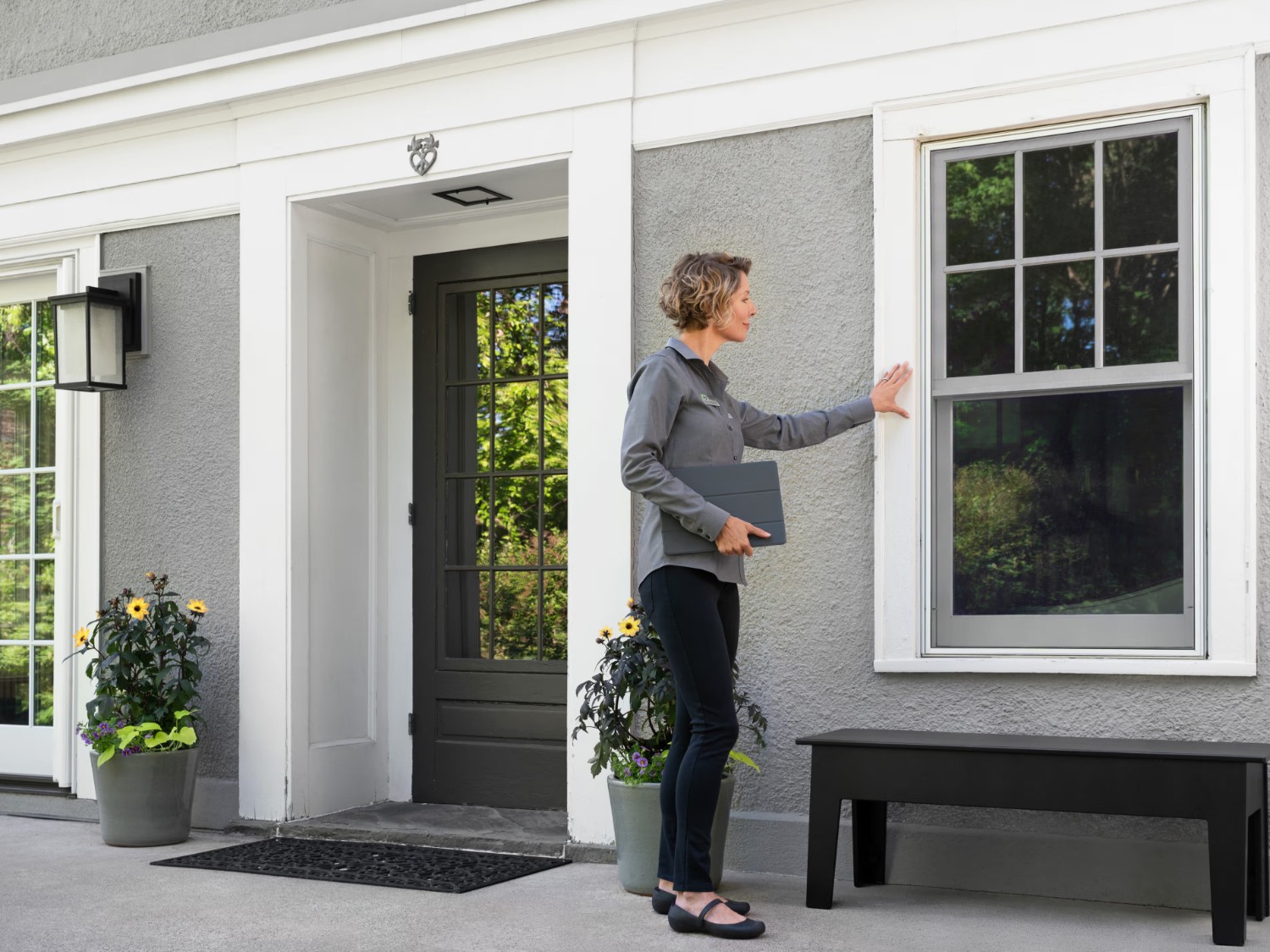
Design Consultation
Step 2
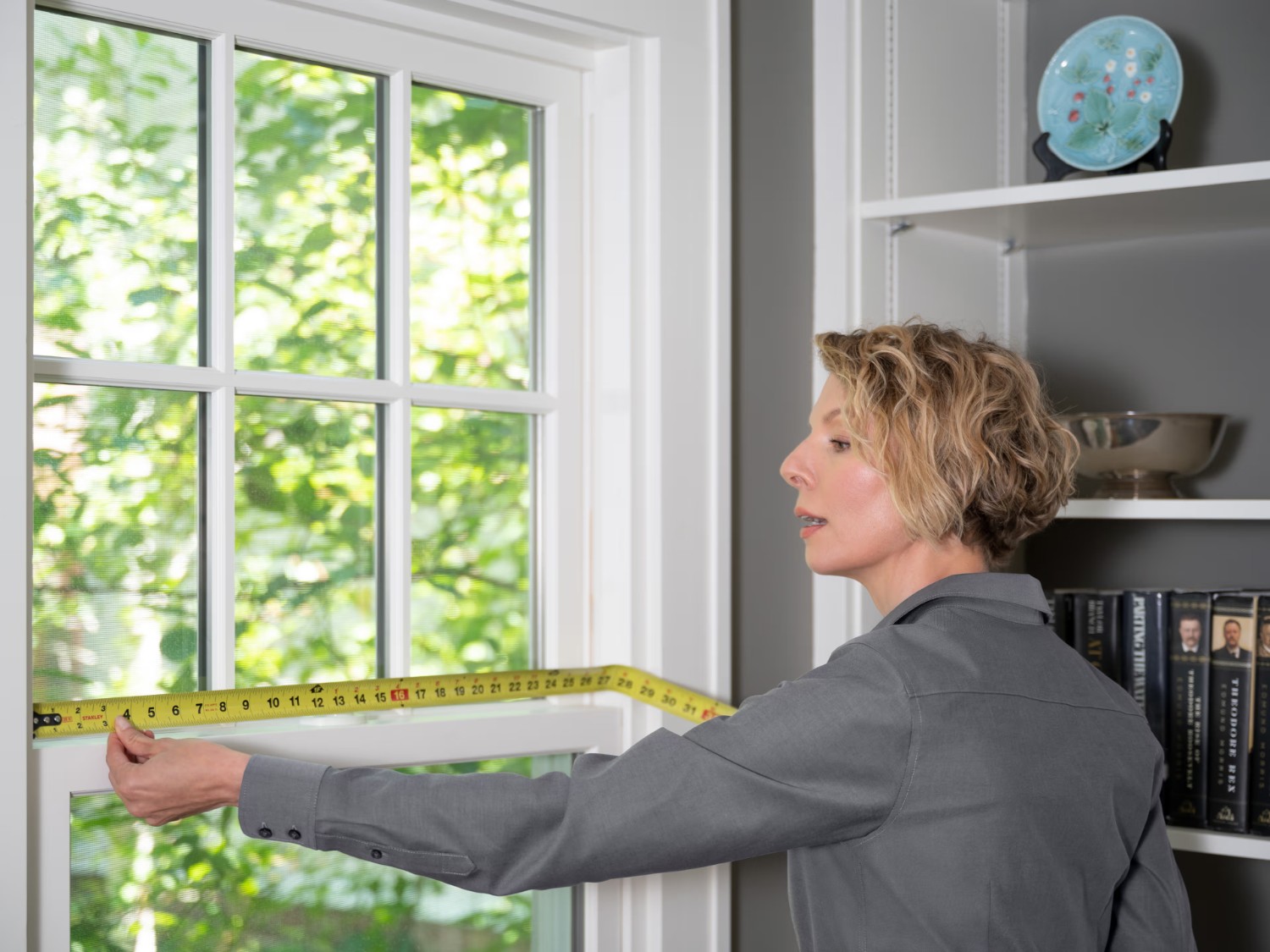
Measure and Manufacture
Step 3
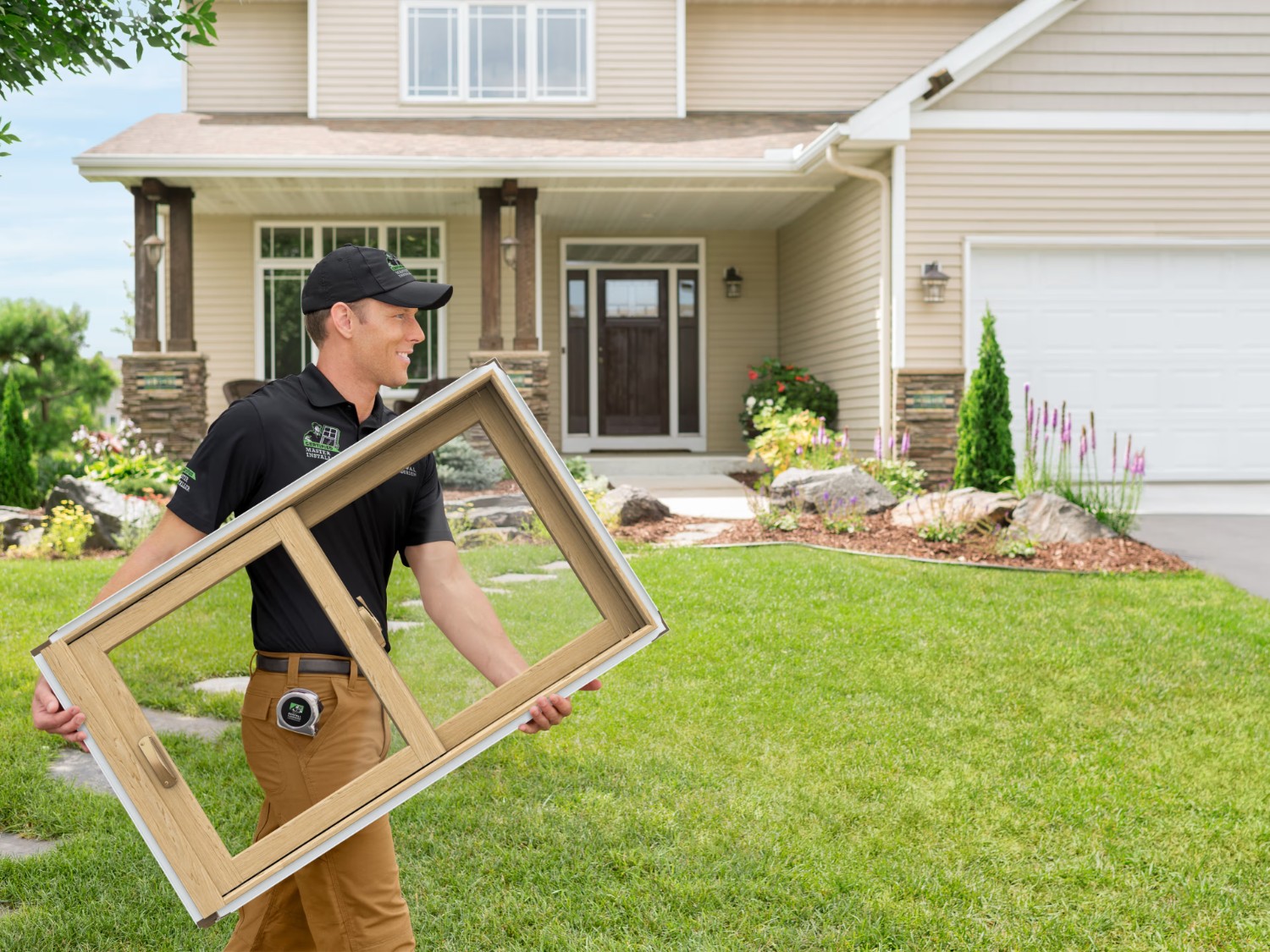
Installation
Step 4