.png?h=455&iar=0&w=1182&rev=d74e300da7ba4627bde32b9c768419b5)


When to Repair vs. Replace Your Windows
Key Takeaways
- Repair can be the right call for minor issues like broken hardware, or a sticky sash.
- Replacement may be worth considering if your windows are drafty, there’s visible frame damage, you have difficulty opening and closing them, and you experience rising energy bills.
- The age of your windows matters. A professional assessment is the most reliable way to know whether repair or replacement is the right investment for your specific home.
Noticing a draft near a window? A stuck sash? Foggy glass? It's natural to wonder whether you need to do something about it, and if so, whether that means a quick fix or a full replacement.
Many homeowners face this conundrum at one point or another: is this a problem I can repair, or is replacement the smarter move? It’s a common question we get from homeowners, and the answer varies.
Here's what we've learned with our thousands of yearly customers at Renewal by Andersen. Sometimes repair is the right call. Sometimes replacement is clearly necessary. And sometimes the honest answer is that a little more time and observation is warranted before making any decision at all.
This guide will walk you through the most common window problems homeowners face, what you need to know about both the window repair and window replacement routes, and it’ll help you think through the factors that make the most sense for your home and situation.
What Window Problems Can Be Repaired?
Some window issues are isolated, fixable, and don't reflect deeper structural problems. If the window frame and sash are in good shape, a repair may buy you years of additional performance.
Easier parts of a window to repair:
- Broken or worn hardware. Handles, latches, locks, and hinges can be replaced relatively easily. If the frame is solid and the window operates well otherwise, a hardware swap is usually straightforward and affordable.
- Minor weatherstripping wear. Worn weatherstripping can let drafts in and is relatively easy to replace (assuming a suitable replacement is available). If the rest of the window is sound, new weatherstripping can help restore an effective seal.
- A sticky or difficult sash. Sometimes windows become difficult to open or close due to paint buildup, swelling, or minor alignment issues. If the underlying frame isn't damaged or warped, this can often be addressed without replacement.
The key question to ask with any repair: is this a one-time fix, or is it a symptom of something bigger? A lock that breaks once is a simple lock problem. A latch that keeps breaking, or a window that develops one issue after another, may be telling you the window itself is reaching the end of its life.
When Does Window Replacement Make More Sense?
Replacement tends to be the more practical path when the window's core components are failing, when problems are recurring, or when the window is simply too old to perform reliably. Poorly performing windows can account for significant heat loss and gain in a home, meaning aging windows can affect your energy bills year-round. ENERGY STAR® says that "replacing old windows with ENERGY STAR certified windows lowers household energy bills by an average of up to 13 percent."
Watch for these signs that replacement may be worth considering:
- Visible frame damage or rot. Soft spots, cracks, or rot in a wood frame mean the structural integrity of the window is compromised. In this case, it usually makes more sense to replace the windows. Either way, you will need to address the rot before you do anything else.
- Persistent drafts despite repairs. If you've addressed weatherstripping and the window still lets in cold air, the frame may no longer be sealing properly against the wall opening.
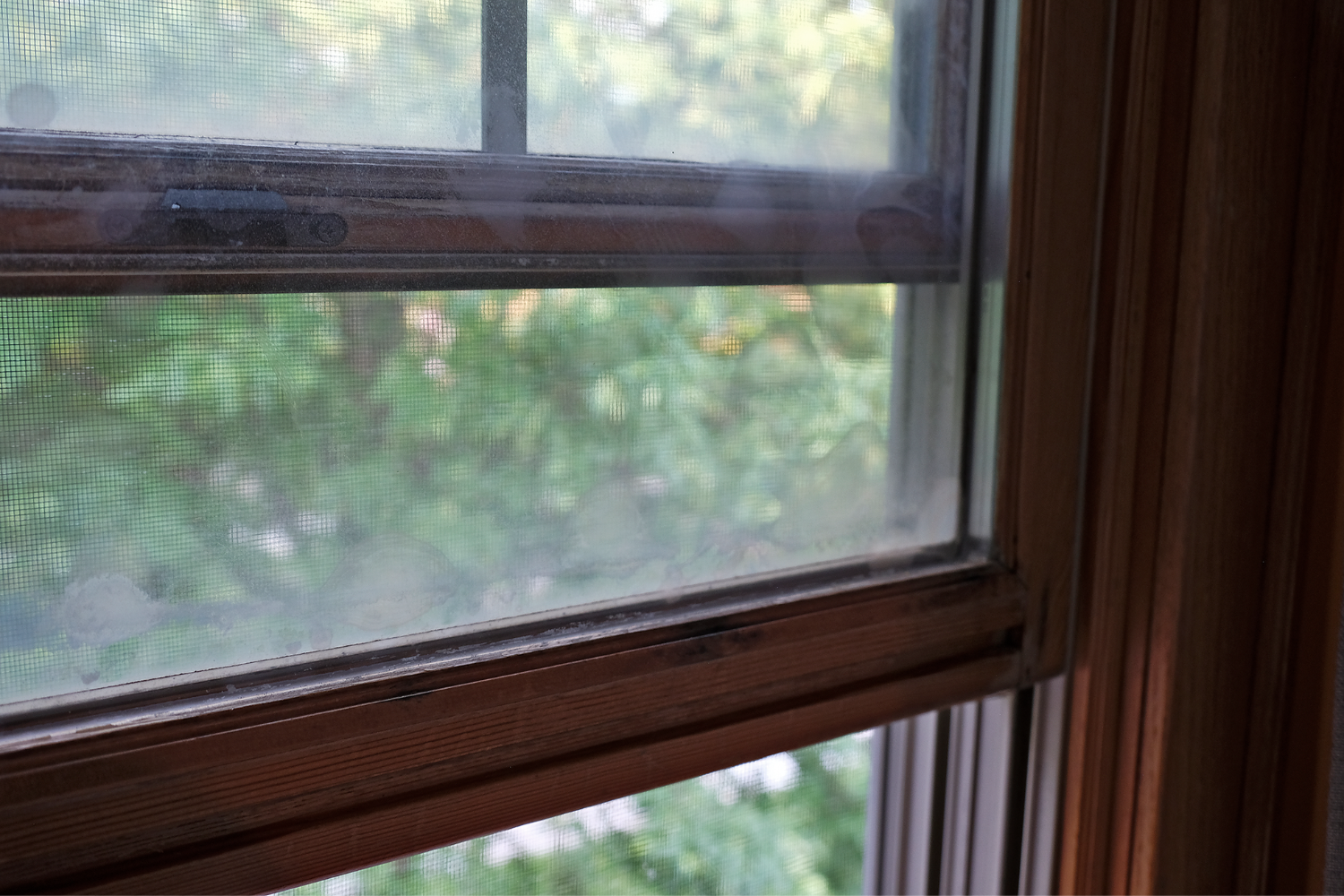
- Fogging that keeps coming back. Condensation doesn't necessarily mean there's a problem with your windows. But if there’s fog between the glass in a double-pane window, it may be a sign that the seal has failed and the insulating gas between the panes has escaped. While the glass unit can sometimes be replaced, repeated failures in the same window often point to a larger problem.
- Windows that are consistently difficult to operate. A window that's hard to open, close, or lock isn't only inconvenient. It can also be a safety issue, particularly in rooms where windows serve as emergency egress routes.
- Significantly higher energy bills. If your heating or cooling costs have climbed and you can't explain why or if you’ve addressed other causes (insulation, etc.), your windows may be a contributing factor. Old single-pane windows or windows with degraded glazing can let heat escape in winter and enter in summer.
How Does Window Age Factor Into the Decision?
Age alone doesn't automatically mean replacement, but it can change the calculation on repairs. A 10-year-old window with a broken lock or handle is absolutely worth fixing. A 25-year-old window with a broken latch, a failed seal, and a soft corner on the frame probably isn't.
The lifespan of a window depends heavily on the frame material:
- Vinyl windows, if high quality, can last around 20 to 40 years, though performance can degrade earlier in climates with extreme temperature swings because they can expand and contract in these conditions.
- Wood windows can last a long time when well-maintained – ranging from 15 to 30 years – but they require regular upkeep. Neglected wood frames are prone to rot and moisture damage.
- Composite windows are designed for long-term durability. Our windows here at Renewal by Andersen are made with Fibrex® composite material, which is twice as strong as vinyl and won't crack, pit, corrode, or rot.* In fact, in a recent study of a home in Minnesota, Fibrex material continued to be two times stronger than vinyl, even after 30 years.**
When assessing older windows, it helps to think about the total cost of ownership. If a window needs $300 in repairs this year and is likely going to need more work next year, the long-term math may favor replacement even if the upfront cost is higher.
Does the Type of Window Problem Matter?
Yes. The location and nature of the problem matter as much as its severity.
In short, go for repairs if:
- The frame itself is in good shape
- You have the skills needed and are willing to do the work
- You want to keep the look of your current windows
- The repair is minor
Look into replacement if:
- You can’t or don’t want to do the repairs or restoration, or hire someone else to do it
- Complicated windows like bay/bow
- Wood rot in frame
- You’re okay with the window looking different after
Should You Repair or Replace Your Windows?
If you've been going back and forth on whether to repair or replace, a free in-home consultation can give you a clearer answer. Renewal by Andersen's design consultants will walk through your home, assess your windows honestly, and help you understand your options without pressure. Schedule a free consultation to get started.
Frequently Asked Questions
When should you replace windows instead of repairing them?
Replacement typically makes more sense when the window frame is structurally compromised (cracked, rotted, or warped), when the same window has required repeated repairs, when multiple windows in the home are failing at the same time, or when the windows are approaching or beyond their expected lifespan. Repair makes sense for isolated, first-time problems on otherwise sound windows. Restoration makes sense if you want to keep the aesthetic of original windows and are willing to put in the restoration work yourself (or hire someone who can).
Does condensation mean you need to replace your window?
No. Condensation appears when warm, moist air comes into contact with cooler surfaces, like your window glass on a cold winter’s day. While condensation is most common during the winter, it can happen whenever the water vapor in warm air encounters a colder surface. So, the water you’re seeing isn’t unusual. Condensation will appear from time to time on window interiors and exteriors, on even the best-performing windows — in fact, it’s often noticed more often on better windows, because of their energy efficiency. It does not automatically mean your windows are faulty or need to be replaced immediately. Read more about the basics of condensation.
How do you know if your windows are causing high energy bills?
Drafts you can feel near the frame and rooms that are harder to heat or cool than the rest of the home are common signs that windows are affecting energy performance. A professional energy assessment can confirm whether your windows are the primary contributor.
Is it cheaper to repair windows or replace them?
That depends on a lot of factors: are you making only a few repairs (cheaper) or performing a full window restoration (more expensive)? Are you replacing your windows with builder-grade and lower quality windows (cheaper) or premium and higher quality windows (more expensive)? Are you performing the work yourself or hiring someone else to do it? A whole-home window restoration can sometimes cost about the same as replacement with high-quality windows.
Do you need to replace all your windows at once?
No, many people opt for a phased approach or replace even one window at a time. If you're considering replacing your windows, read the pros and cons of whole home replacement vs. phased replacement.
*See Renewal by Andersen® Products and Installation Transferable Limited Warranty for details.
Our Hassle-Free Process

Step 1
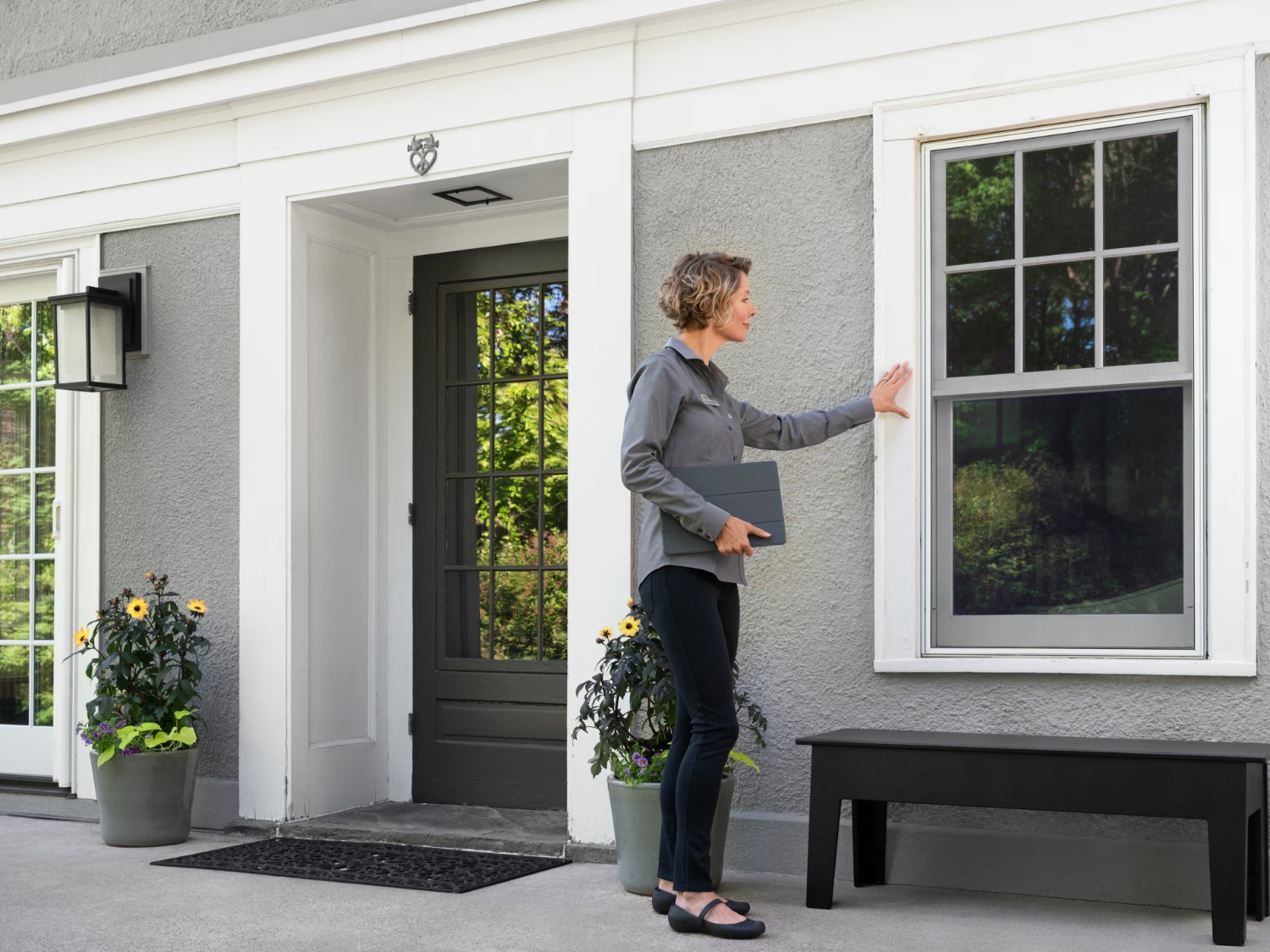
Design Consultation
Step 2
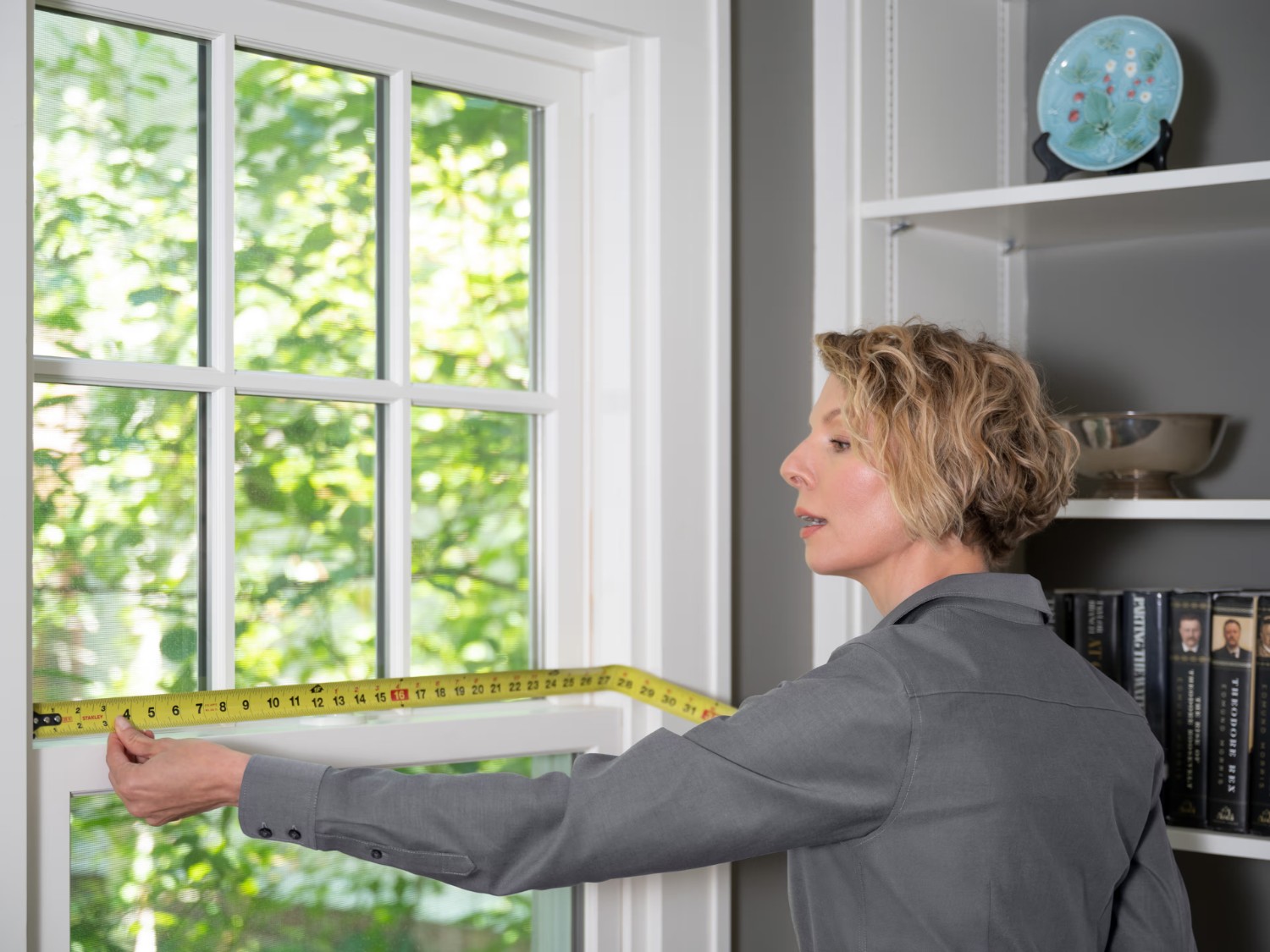
Measure and Manufacture
Step 3
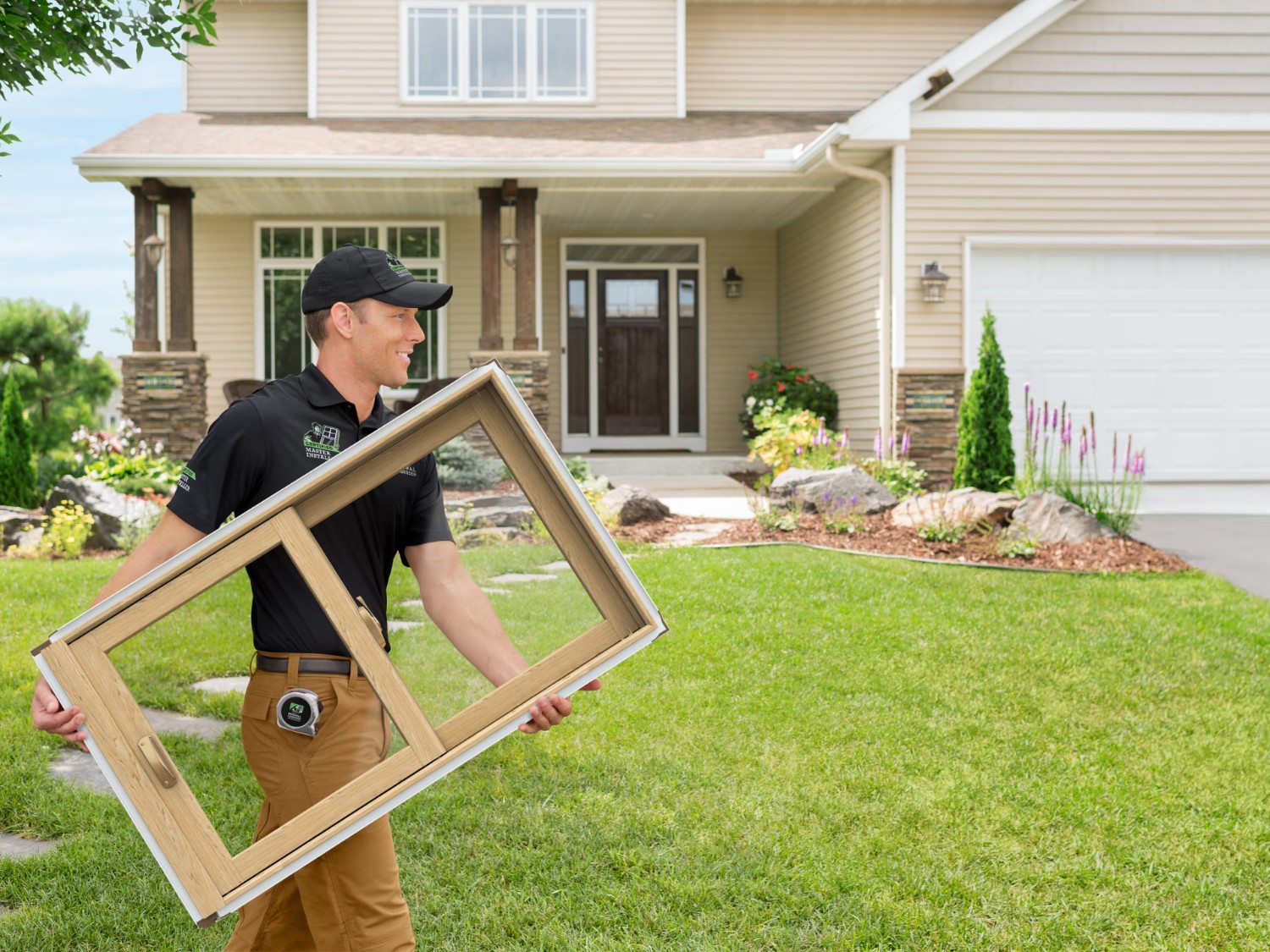
Installation
Step 4